

The stunning architecture and captivating exhibits of the Canadian Museum of Nature, housed in a castle-like building, offer inspiration to Ottawa residents and visitors alike. Located just a few blocks from Parliament Hill, this iconic institution provides an immersive exploration of the natural world, featuring dinosaurs, mammals, minerals, aquatic ecosystems, insects, and more. Discover all about it with Ottawa Name.
Canadian Museum of Nature
This renowned educational and scientific institution is also a popular tourist destination located in the heart of Ottawa. Its historical, castle-like building immediately captures attention. The museum prides itself on being housed in the first structure in Canada built specifically for a national museum. Officially named the Victoria Memorial Museum, this building hosts the majority of exhibitions and educational programs, which can be scheduled as part of a visit.
While research, collections, and administrative operations take place at the Natural Heritage Campus in Gatineau, Quebec, the Ottawa building serves as the museum’s public face.
First opened in 1912, the Canadian Museum of Nature has since been dedicated to advancing scientific knowledge and fostering a deeper understanding of the natural world. The organization comprises world-renowned researchers, educators, multimedia specialists, and innovative museum professionals.
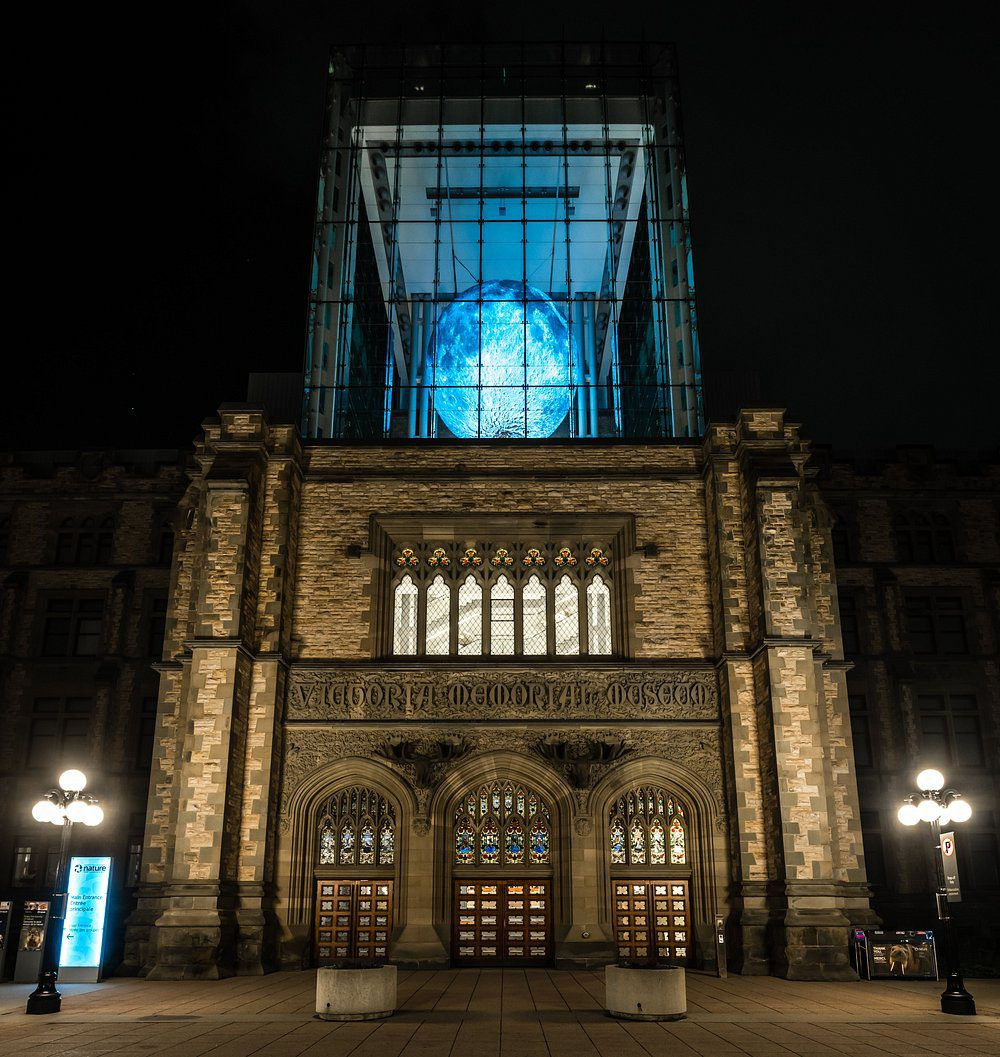
Unique Architecture
At the time of its construction, Ottawa residents found the museum’s design reminiscent of a fairy tale castle. Architect David Ewart was the visionary behind the Victoria Memorial Museum, which was inspired by Scottish Baronial design.
While European architectural influences are evident, the building is firmly rooted in Canadian identity. It was the first public building in Canada to incorporate animal and plant motifs into its design, visible in its windows, exterior walls, and interior decorations. Two carved moose heads flank the main entrance, serving as guardians of the museum.
Some notable architectural features include:
- Exterior façade: Primarily constructed from Nepean sandstone sourced from the Campbell quarry in Nepean (now Ottawa). Between 1955 and 1997, about 5% of the stone was replaced.
- Decorative elements: Made from smooth stone from the Wallace quarry in Nova Scotia.
- Steps and landings: Crafted from Stanstead granite from Quebec.
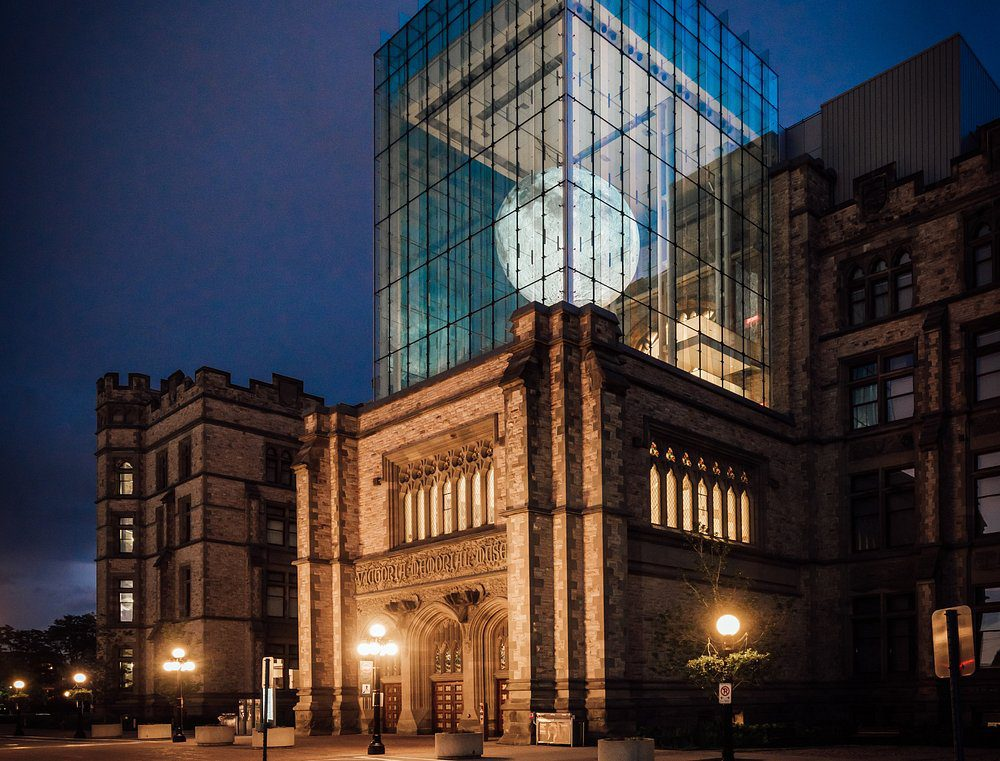
Early History: A Brief Retrospective
The museum’s origins can be traced back to 1842, when the Geological Survey of Canada was established. Over time, its researchers began studying not only geology but also collecting specimens of flora and fauna.
Key Milestones:
- 1856: Sir William Logan, the Geological Survey’s first director, received approval to establish a geological museum, which was to be open year-round.
- 1880: The museum opened its headquarters in Montreal, with Logan earning recognition as the founding father of Canada’s national museums.
- 1901: Parliament authorized the construction of the Victoria Memorial Museum, designed as a tribute to Queen Victoria after her 64-year reign.
- 1903: A 9-acre (3.6-hectare) site on Ottawa’s outskirts was chosen. Construction began in 1905 with 300 Scottish stonemasons and an estimated cost of $950,000.
- 1911: The National Gallery of Canada displayed its art treasures on the museum’s fourth floor before its official opening in 1912.
Post-Opening Challenges and Growth
The Victoria Memorial Museum opened to the public in 1912. However, construction challenges soon emerged. By 1915, the building began to sink, forcing the removal of its towers due to the foundation’s inability to support their weight.
Notable Events:
- 1916: Following the Parliament Building fire, the museum temporarily served as the seat of the Canadian government, housing parliamentary sessions for four years.
- 1927: The National Museum of Canada and the Geological Survey officially separated but continued sharing the building.
- 1956: The museum split into two branches:
- The National Museum of Natural Sciences: Focused on natural history, including geology, paleontology, botany, and zoology.
- The National Museum of Man: Concentrated on human history, particularly the cultures of Canada’s Indigenous peoples.
This division reflected growing specialization in scientific research and museum work.
Notable Tenants and Renovations
Key Tenants:
- From 1957 to 1989, the National Museum of Man occupied half the building before moving to Gatineau, Quebec, where it became the Canadian Museum of History.
- The Geological Survey of Canada and the National Gallery of Canada also occupied the building until 1959.
Renovations:
- 1969–1974: The building underwent significant stabilization and modernization efforts, costing $6 million.
- 1995–1997: The museum’s exterior was fully cleaned and restored, and a new research and collections facility was opened in Gatineau.
- 2004–2010: Extensive renovations transformed the museum, with a major reopening on May 22, 2010, coinciding with International Day for Biological Diversity.
Planning Your Visit
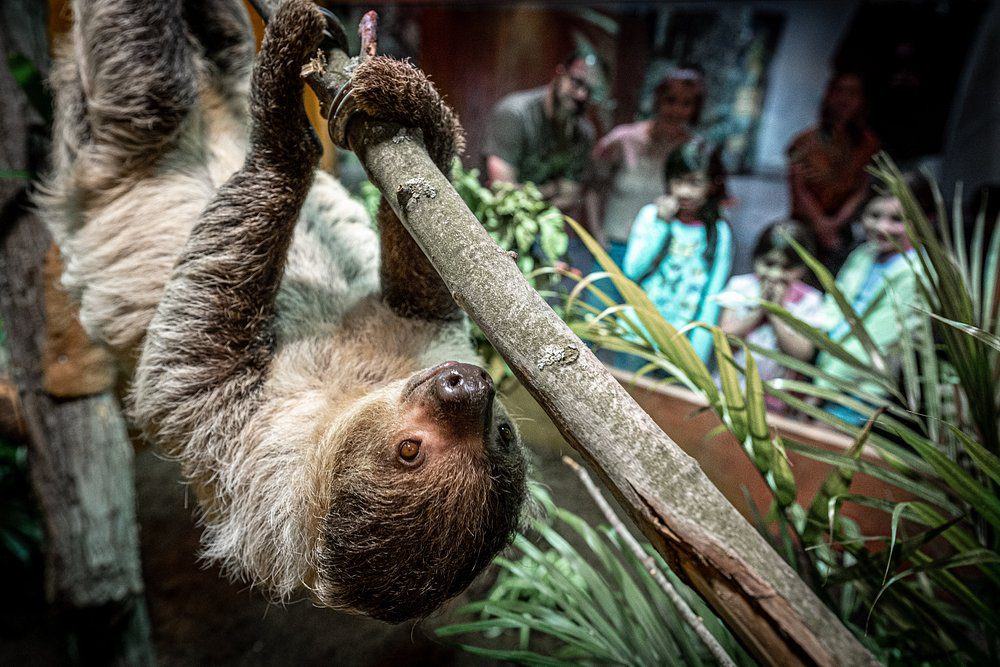
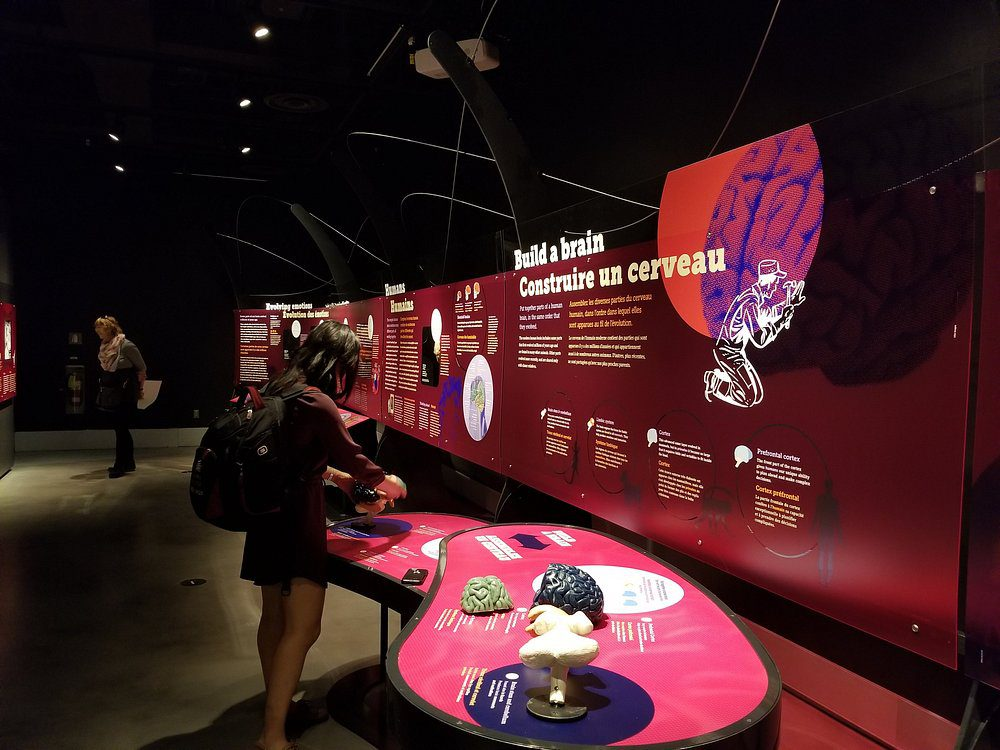
Visitors are encouraged to book their tickets in advance, as admission is not free. The museum offers engaging, hands-on activities suitable for all ages. Reviews often recommend setting aside at least 2–3 hours to fully enjoy the museum.
Sources