

It’s hard to imagine that the US Silica plant in Ottawa has undergone over a century of evolution and steady growth to become one of the leading global suppliers of industrial sand and mineral products. The story began in the late 1880s with pioneer Henry Harrison Hunter, who manually extracted and processed the first sample of sand. Dive deeper into the origins and development of this iconic facility with Ottawa Name.
The Role of Henry Hunter and Key Milestones
As mentioned, Henry Hunter hand-mined and processed the first sample of sand near Berkeley Springs, West Virginia. He showcased the processed sample at the World’s Fair in Chicago, earning a blue ribbon and a medal of distinction for its remarkable purity. This achievement catalyzed the creation of a small plant dedicated to silica sand production for glass manufacturing.
To understand the company’s journey, here’s a timeline of key events:
- 1894: Establishment of the Pennsylvania Glass Sand (PGS) Company.
- 1900: Formation of the Ottawa Silica Company (OSC).
- 1940s: PGS began acquiring other companies, including Rockwood, Pacific, and Mill Creek.
- 1986: PGS rebranded as U.S. Silica Company.
- 1987: U.S. Silica merged with OSC and acquired plants in Kosse, Dubberly, Hurtsboro, and Columbia.
- 1990s: Expansion continued with the acquisition of plants in Montpelier, Jackson, and Morristown.
- 2008: U.S. Silica was acquired by investment firm Golden Gate Capital.
- 2012: The company went public with its Initial Public Offering (IPO).
- 2013–2019: U.S. Silica built and acquired several facilities across the United States, including in Texas, Wisconsin, Missouri, and Georgia.
- 2024: Apollo Funds acquired U.S. Silica, marking the latest chapter in its history.
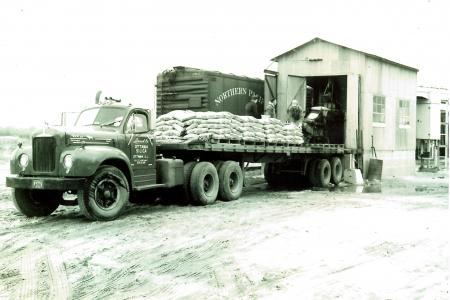
US Silica Plant in Ottawa
In 1987, the Ottawa facility officially became part of the U.S. Silica family. Over time, the plant underwent significant upgrades to its infrastructure and operations, enhancing its capacity and efficiency. Today, it stands as North America’s largest silica production facility, with an annual production capacity of 2.2 million tons.
The plant specializes in processing fine-grain, nearly pure quartz sandstone using advanced methods such as washing, hydraulic sizing, crushing, screening, and blending.
Applications of Silica
The Ottawa plant primarily produces silica from St. Peter Sandstone, a fine-grain quartz with remarkable purity. The extracted silica is essential across a wide range of industries, including:
- Glass Manufacturing: Silica is the core component of glass, providing strength, thermal, and chemical durability. It’s used in the production of window glass, specialty glass, and various glassware.
- Foundry Casting: Foundry sands made from silica are essential for casting metal components.
- Refractory Materials: Silica is used to produce fire-resistant bricks and mastics for metallurgy and glassmaking.
- Abrasives: Ground silica is used for polishing and grinding a variety of surfaces, including metal, wood, and plastic.
- Paints and Coatings: Silica serves as a filler, enhancing durability and texture.
- Filtration: Silica filters are widely used for water and air purification.
- Hydraulic Fracturing: Special silica grades increase rock permeability during oil and gas extraction.
- Cement Testing: Silica is critical for testing the strength and durability of cement.
These diverse applications stem from silica’s chemical stability, hardness, and ability to form varied structures.
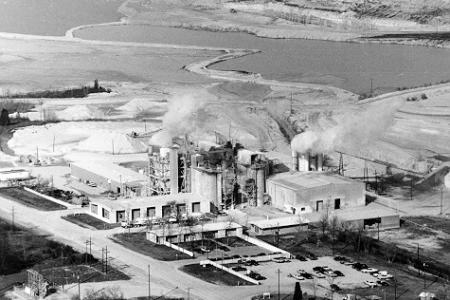
Modern Operations
The Ottawa plant has experienced numerous transformations, such as the merger between Pennsylvania Glass Sand Corporation and Ottawa Silica Company, leading to the creation of U.S. Silica.
With over 27 production facilities across the country, U.S. Silica continually invests in modernizing its plants and training its employees, ensuring they have access to cutting-edge technology and knowledge.
Product Highlights:
- ASTM Sands: Known for their exceptional quality and standards compliance, these sands are widely used in laboratory testing and equipment calibration.
- Microproppants: Specialized small-particle silica for specific industrial uses.
- OPTIJUMP Volleyball Sand: This premium sand is engineered for optimal traction and cushioning during gameplay.
- Sil-Co-Sil: A high-purity ground silica used in abrasives, filters, and polymer fillers.
- U.S. Silica White: A monocrystalline alpha-quartz propant with exceptional strength and purity.
- Whole-Grain Silica: Used in various industries, including construction, foundry, and glass manufacturing.
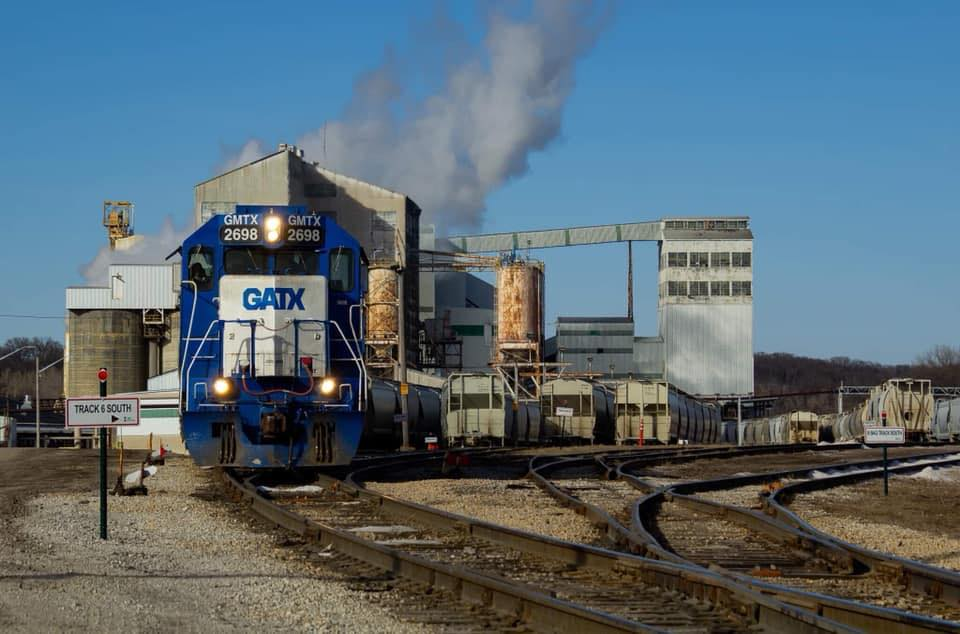
Environmental Responsibility and Awareness
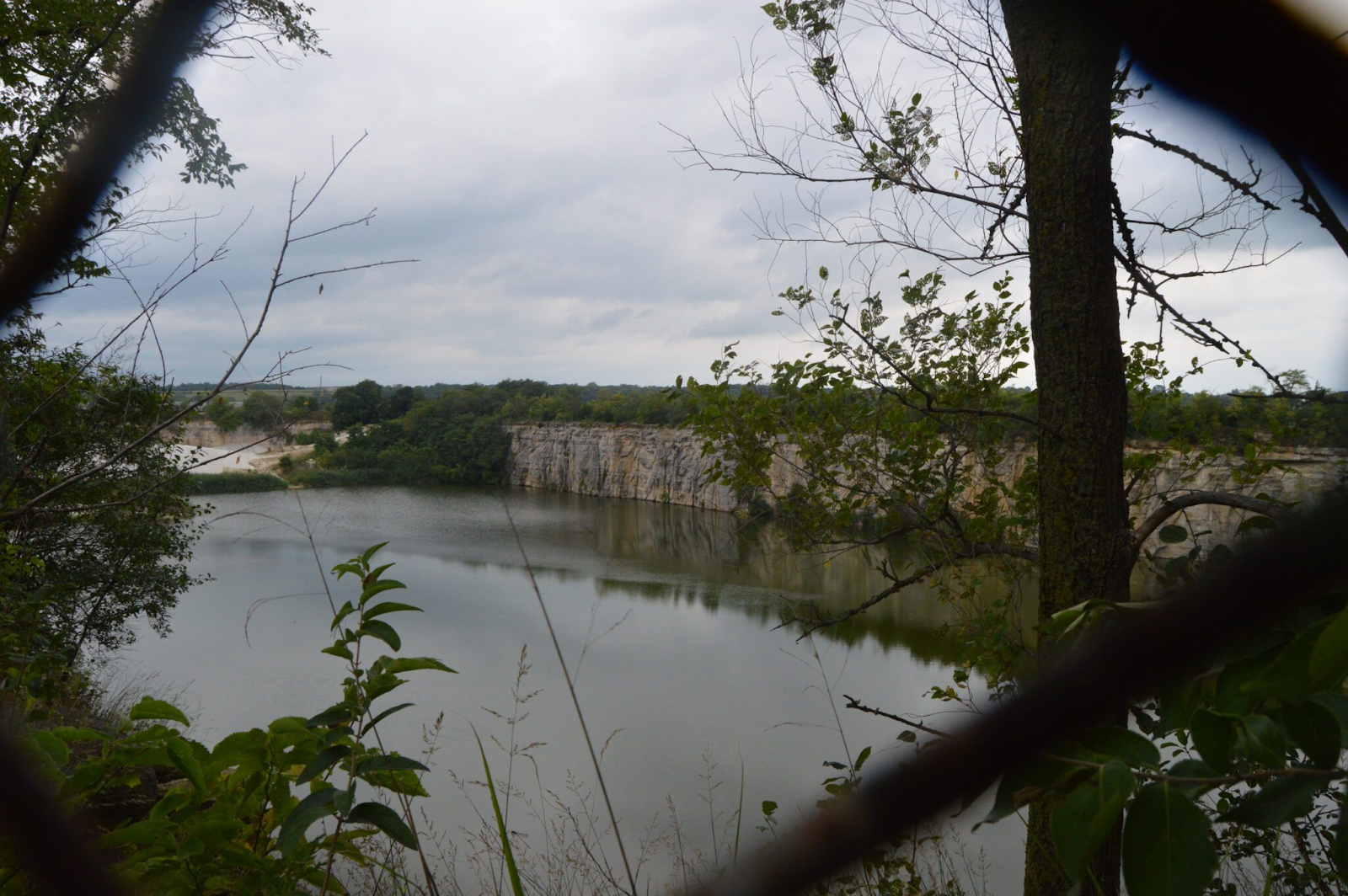
The Ottawa plant maintains high standards of environmental responsibility. Its site also serves as a wildlife sanctuary. To protect and enhance local biodiversity, U.S. Silica partnered with Pheasants Forever, a non-profit conservation organization. This collaboration ensures the preservation of the natural habitat surrounding the plant.
Sources