

Railways hold a special place in Canada’s history, evoking the imagery of distant whistles, powerful locomotives, and the rhythmic motion of steel wheels. Ottawa Name delves deeper into the story of Locomotive No. 5903 and the broader impact of railways in Canada.
The Role of Railways in Canadian History
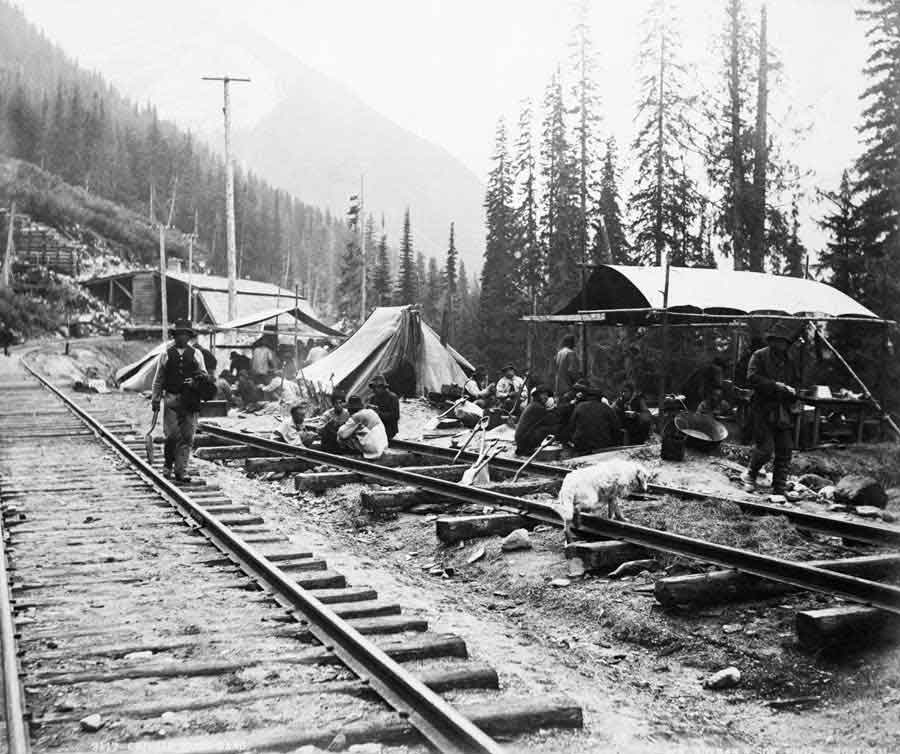
Railways served as a driving force behind Canada’s Confederation, fostering economic development and social change. Here’s a closer look at their significance:
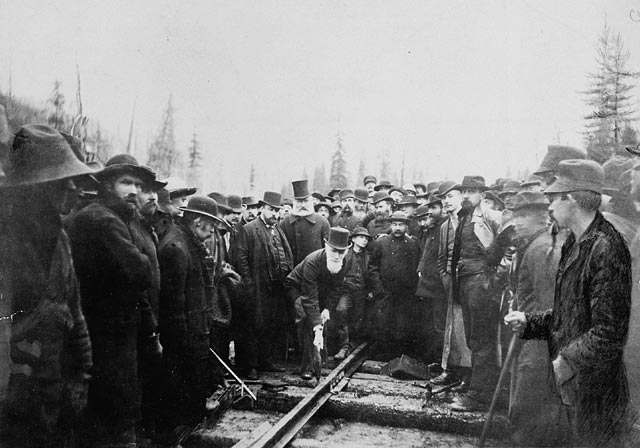
- Catalyst for Confederation: The promise to build a transcontinental railway facilitated the inclusion of provinces like British Columbia and Prince Edward Island into Confederation, with the latter joining in 1873.
- Impact on Indigenous Peoples: Railway construction often displaced Indigenous communities and brought new settlers to their lands. This was a factor in the 1885 Métis uprising, which was suppressed using the railway to transport troops.
- Economic Growth: Railways supported agriculture, forestry, and mining industries, enabling their expansion across the country.
- Social Connectivity: Railways connected Canadians from distant regions, fostering the exchange of ideas and culture.
The golden era of railways and passenger train travel ended after World War II, as cars became more prevalent. Today, museums across the country preserve this heritage, ensuring that railways remain a significant part of Canada’s story.
The History of Locomotives
In the early days of railways, it was customary to name locomotives rather than assign them numbers. This practice was particularly popular during the nascent stages of railway development.
- The first locomotive named Ottawa was built by Hinkley for the Bytown and Prescott Railway. It began operations in July 1854, before Bytown was renamed Ottawa.
- Another locomotive, named Bytown, was a passenger locomotive whose nameplate is preserved by the Ottawa Historical Society.
- Subsequent locomotives, such as the 1895 Ottawa, were retired or replaced over time. The final locomotive named Ottawa belonged to the Great Western Railway in the UK, built between 1899 and 1910.
- One of the locomotive nameplates was presented to the City of Ottawa as a token of its railway heritage.
Locomotive No. 5903
General Motors Diesel Division (GMD) manufactured Locomotive No. 5903, purchased by Canadian Pacific (CP) for freight transportation nationwide. This SD40-2 model locomotive was retired in 2018 and donated to the Exporail Canadian Railway Museum, known for housing one of the largest collections of railway artifacts.
Key Features of Locomotive No. 5903
- Power and Capacity: It boasts over 3,800 horsepower and could haul up to 3,000 tonnes of freight.
- Legacy: As one of the last locomotives retired in Canada, it represents a significant piece of railway history.
- Preservation: It remains a central exhibit at the Exporail Museum, thanks to the efforts of dedicated volunteers who safeguard Canada’s railway legacy.
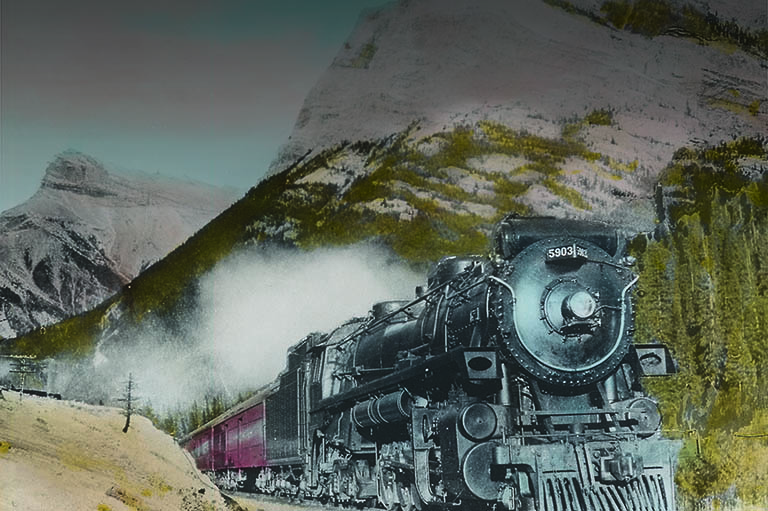
A historic photograph of Locomotive No. 5903 entering the Rocky Mountains, dated around 1923, is preserved in the McCord Documentary Collection.
General Motors Diesel Division (GMD)
Diesel-electric locomotive production in Canada began in 1928, with GMD playing a key role.
- Early diesel locomotives were custom-made and provided significant advantages over steam locomotives, such as reduced operational costs and greater versatility.
- GMD established a plant near Ontario in 1950 to meet growing demand while avoiding import tariffs.
- The factory operated until 2012, closing due to labor disputes and the establishment of a new facility in Indiana.
Locomotive No. 5903 serves as a powerful reminder of Canada’s rich railway history. Its transition from active service to a museum exhibit ensures that its story continues to inspire and educate future generations about the country’s transportation legacy.