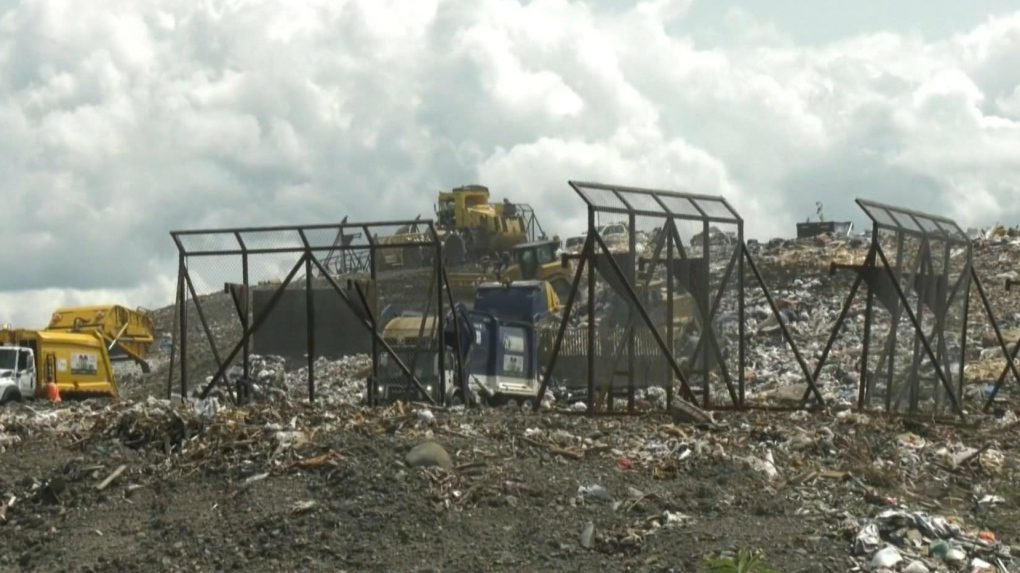

The rapid filling of landfills is a critical issue, leading to significant environmental and economic problems. By adopting and implementing innovative waste disposal technologies, Ottawa residents can help prevent the city’s landfills from reaching capacity too quickly. Ottawa Name explores how these solutions can make a difference.
The Problem and Its Solutions
Ottawa’s Trail Road Landfill is approaching its maximum capacity, requiring urgent action. Leveraging advanced waste disposal technologies can reduce the amount of waste sent to landfills, increase material recycling, and convert waste into energy.
Ottawa’s city council has evaluated two primary strategies for extending the landfill’s operational lifespan:
- Waste-to-Energy Incineration
- Advantages: Reduces waste volume, generates energy, and eliminates harmful substances.
- Disadvantages: Potential air pollution from greenhouse gases and fine particulate matter, high costs, and the inability to incinerate all waste types.
- Mechanical Waste Sorting
- Advantages: Enhances recycling opportunities, reduces landfill-bound waste, and creates jobs.
- Disadvantages: High costs and limitations on recyclable materials.
Both solutions would increase household waste management fees. In 2023, Ottawa residents paid approximately $185 annually for waste disposal services. Projections indicate costs could rise to nearly $500 by 2050, or even exceed $600 if a waste-to-energy facility is constructed.
In late 2023, city council analyzed three scenarios for managing waste over the next 30 years: anaerobic digestion, waste-to-energy incineration with anaerobic digestion, and mixed waste recycling combined with anaerobic digestion.
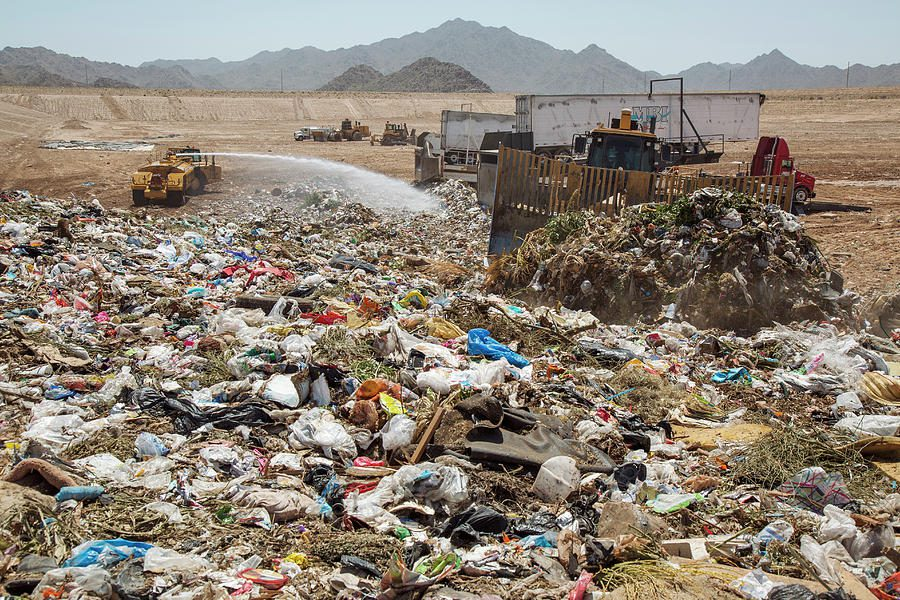
Overview of New Waste Disposal Technologies
- At-Home Waste Sorting
- Residents sort waste into categories such as plastics, food scraps, paper, glass, and metal. Proper sorting facilitates recycling, allowing materials to be repurposed into new products.
- Composting
- Food and organic waste are composted and transformed into a nutrient-rich soil conditioner, ideal for gardens and farms.
- Anaerobic Digestion
- Organic waste is broken down to produce biogas, which can be used to generate electricity and heat.
- Waste-to-Energy Incineration
- Waste is incinerated to produce heat, which is then converted into electricity or used for heating purposes.
“Waste Concerns Everyone”
In late 2023, Ottawa’s city council voted to send part of the city’s waste to private landfills. This approach reduces fuel consumption by waste collection trucks traveling to Trail Road. Among the three proposed scenarios, waste-to-energy incineration could extend the landfill’s lifespan by 30 years. Additionally, this solution is expected to reduce waste volume by over 70%, potentially supporting industrial development by repurposing materials for housing and other construction projects.
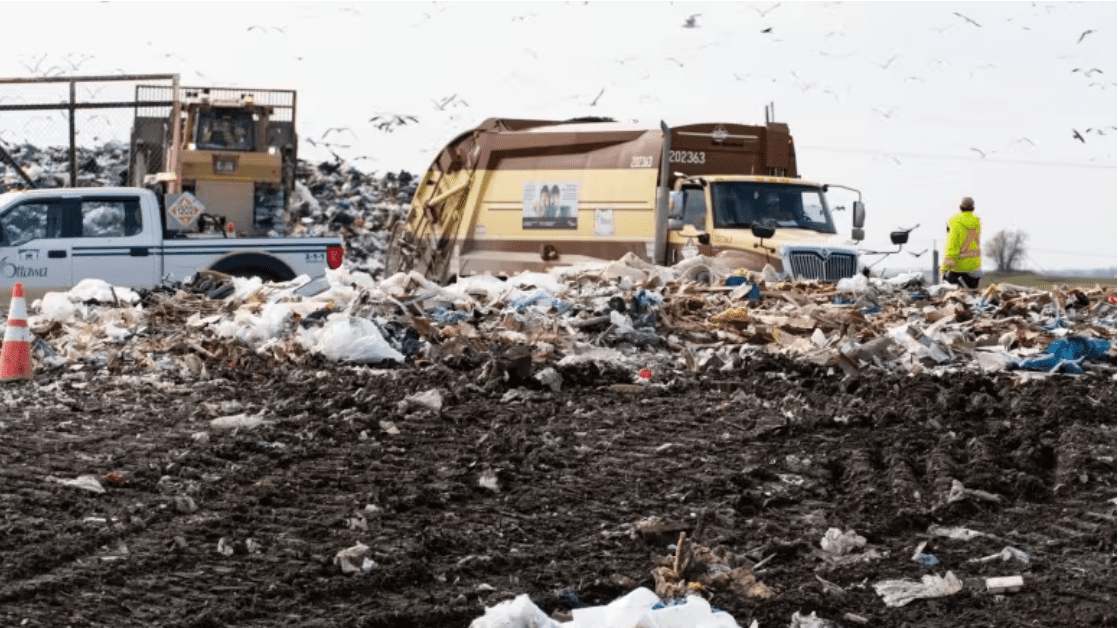
Recommendations from Ottawa’s City Council
Implementing the following measures could extend the landfill’s viability by at least 14 years:
- Expand the Landfill
- Increase its capacity by constructing adjacent sites.
- Pilot Apartment Waste Management Programs
- Close apartment garbage chutes, which contribute to significant waste generation.
- Mechanical Waste Collection
- Equip garbage trucks with mechanical arms to streamline collection, improve efficiency, and reduce human contact with waste.
- Install Organic Waste Bins in Public Parks
- Collect food and organic waste in parks to minimize landfill-bound trash.
- Ban Household Waste from City Landfills
- Direct household waste to composting and recycling facilities instead.
Adopting new waste disposal technologies is crucial for building a sustainable future in Ottawa. These efforts will help reduce landfill waste, increase recycling, and generate energy from waste materials. By working together, Ottawa residents and local authorities can ensure the city remains an eco-conscious leader for years to come.