

Established in 1886, the Central Experimental Farm spans over 400 hectares in a rectangular area. It is bordered by Carling Avenue to the north, a major roadway to the south, Fisher Avenue to the west, and the Rideau Canal and Prince of Wales Drive to the east. In 1998, the farm was designated as a national historic site, marking a pivotal moment in its history as its scientific contributions were recognized internationally.
Ottawa Name delves into the fascinating history of the Central Experimental Farm, its arboretum, and the botanical garden located within its grounds.
Central Experimental Farm: Fascinating Facts
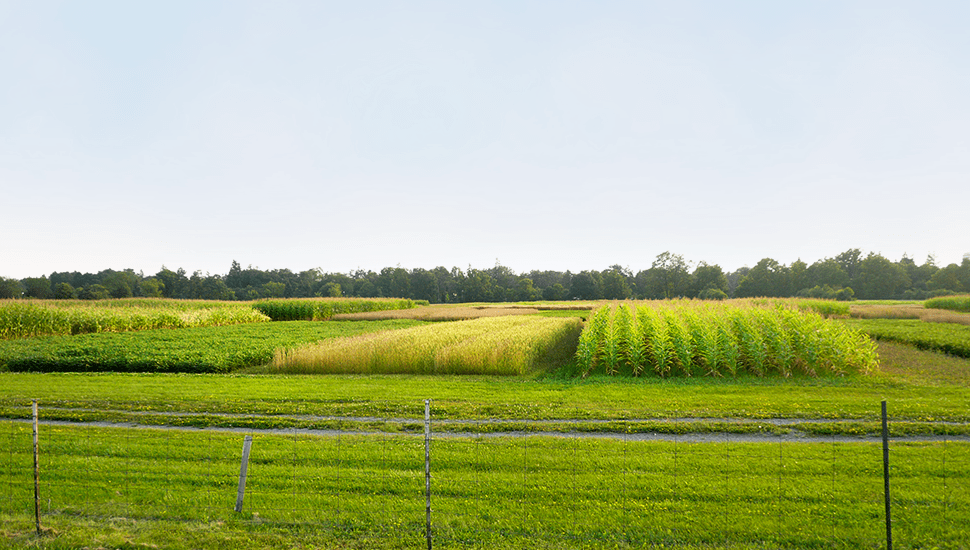
At the heart of Canadian agricultural science lies this remarkable site, known as a jewel in the capital’s central region. This lush green oasis is filled with fields, livestock, gardens, and an arboretum. The farm seamlessly combines heritage landscapes with a functional, working agricultural site.
Here are some intriguing historical facts about the Central Experimental Farm:
- The Beginning
The farm’s location was chosen in 1886 on 188 hectares of land, which soon expanded to exceed 400 hectares. Despite urban encroachment, the farm has preserved its 19th-century landscape, attracting modern-day visitors. - Pioneers of the Farm
William Saunders, the first director, and Dominion botanist James Fletcher played key roles in its early development. In 1889, they planted the first 200 shrubs and trees in the arboretum. - Agricultural Innovations
- The farm developed a hardy, early-maturing wheat variety known as Marquis, revolutionizing Canadian wheat production.
- Researchers also created the “Preston” lilac and the “Explorer” rose series.
Evolution of the Central Experimental Farm
The initiative, driven by the ambitions of Saunders and Fletcher, rapidly evolved into a hub for Canadian agricultural research. The site was chosen based on specific criteria:
- Soil Diversity: The land offered a range of soil types suitable for various research projects.
- Accessibility: Its proximity to rail and road transport ensured ease of access.
- Natural Resources: A large wetland provided a valuable ecosystem for plant and animal research.
- Supporting Farms: The land also included four additional farms for further studies.
Once the site was selected, extensive groundwork began. Wetlands were drained, trees were cleared, old structures were demolished, and new fences were constructed along the perimeter. Once the land was ready, Saunders enlisted a renowned landscape architect to shape the site.
Gradual Expansion and Construction
Within two years, the farm had several key structures:
- A director’s house.
- Four residences for senior officers.
- A barn with an attached stable (rebuilt in 1913 after a fire and renamed the Main Dairy Barn).
- Seed-testing and distribution facilities.
- A building housing administrative offices, a laboratory, and a museum (though the museum portion was later demolished).
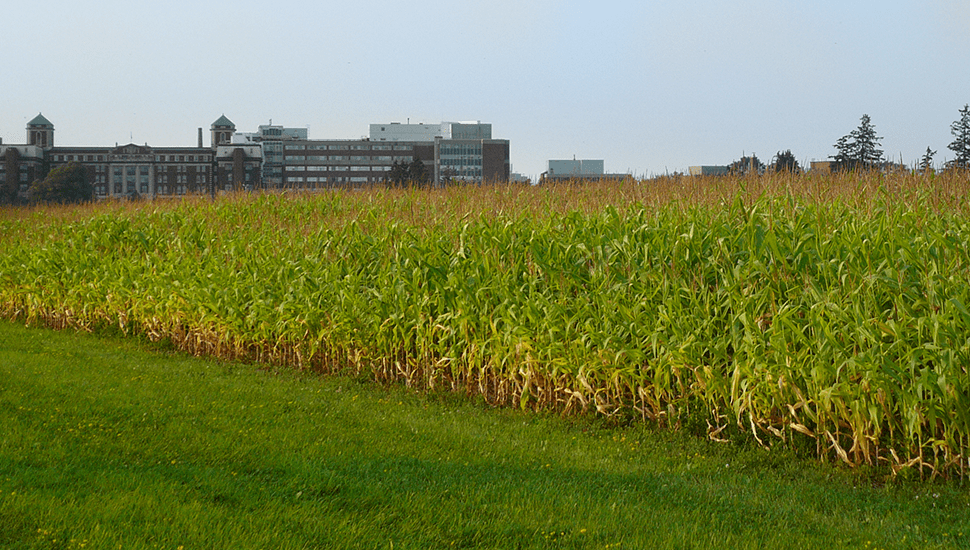
In 1889, the McNeely residence was built for a farm worker specializing in livestock. By 1890, additional structures such as a dairy plant and two cottages were added. Thomas Fuller, the chief architect known for his work on Parliament Buildings, incorporated unique silhouettes, textures, and red-orange bricks in the designs.
In 2002–2003, the Ottawa Botanical Garden Society launched a major campaign to develop a research plot south of the arboretum, aiming to add paved parking and infrastructure for large tours.
Dominion Arboretum
The Dominion Arboretum, part of the Central Experimental Farm, covers 26 hectares of hilly terrain. Its primary goal is to test the resilience of various trees and plants in Canada’s climate. This collection includes over 4,000 unique specimens.
Highlights of the arboretum:
- An open expanse in the heart of Ottawa.
- Stunning views north and south.
- Expanding collections of rare specimens.
- Apple tree plots along Prince of Wales Drive.
- A variety of weeping willows and magnolia groves.
- The Bebbs oak, over 100 years old, grows here.
Dominion Arboretum and Botanical Garden
This arboretum is the oldest in Canada, spanning 40 hectares and housing over 10,000 plant species. Its grounds feature three greenhouses, with the largest reserved for research, and an herbarium preserving over 695,000 plant samples.
Fletcher Wildlife Garden
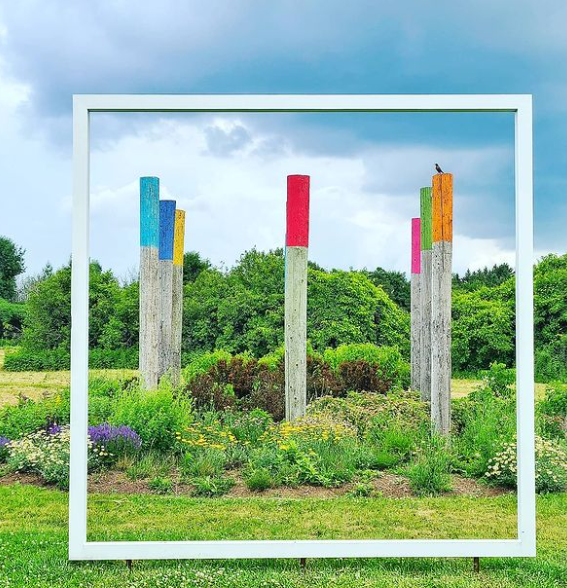
This section offers hidden gems, such as sculptures, atmospheric backdrops of swaying wooden oars, rainbow pillars, and rustic gazebos. Visitors can explore accessible walking trails that connect the garden to other areas, including the Dominion Arboretum. Locals often describe their time at the farm as akin to wandering through a vibrant garden, perfect for leisurely strolls, picnics, or casual hikes.
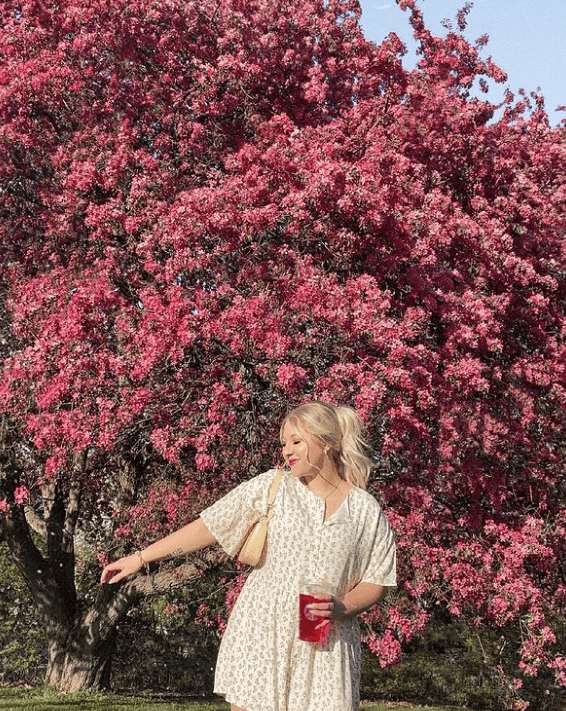
Many consider the farm a historical treasure of Ottawa, and each visit reveals something new. The Dominion Arboretum is a favourite among locals and tourists, particularly during cherry blossom season when pink blooms adorn Prince of Wales Drive. This beautiful sight draws photographers and nature enthusiasts alike, making it a cherished spot for creating lasting memories.
A Journey Through Ottawa’s Green Oasis
Within the city’s limits lies the Central Experimental Farm, complete with the Dominion Arboretum and Botanical Garden. Recognized as a national heritage site, it stands as a rare example of a historical and functional agricultural landscape. From its inception, the farm has contributed significantly to agriculture, not only in Ottawa but across Canada.
Whether you’re seeking relaxation, a romantic outing, or an educational tour, the Central Experimental Farm offers something for everyone. This remarkable site exemplifies Ottawa’s diversity, richness, and charm. Visit and see it for yourself!