

Often referred to as a “forgotten fruit” cultivated by Indigenous peoples, the pawpaw is an Ontario fruit that is steadily gaining popularity. Ottawa Name explores the unique story of pawpaw trees and other exotic fruits in the region.
What Is Known About the Fruit?
While you won’t find pawpaws in grocery stores, they have a rich history. First documented by Europeans during a Spanish expedition in the Mississippi Valley in 1540, pawpaws were cultivated by Indigenous peoples and still grow wild across the eastern United States. At first glance, these trees seem suited to tropical climates, but they are native to southwestern Ontario and can also grow in southern British Columbia and Quebec.
Ripe Ontario pawpaws taste like a mix of banana and mango, with some comparing the flavour to custard. Sweet and creamy in texture, pawpaws are reminiscent of ice cream. However, they are highly perishable and do not tolerate transportation well—ripe fruits can turn black within 24 hours of harvesting.
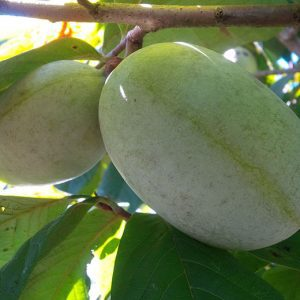
Pawpaw trees stand out among the maples, oaks, hickories, and beeches of Ontario’s Carolinian forests. With tropical-looking leaves, thin trunks, and a height of less than 10 metres, these trees produce their best fruits in autumn. Shaped like mangoes, pawpaws are botanically related to tropical fruits.
Mathis Natvik and Pawpaws
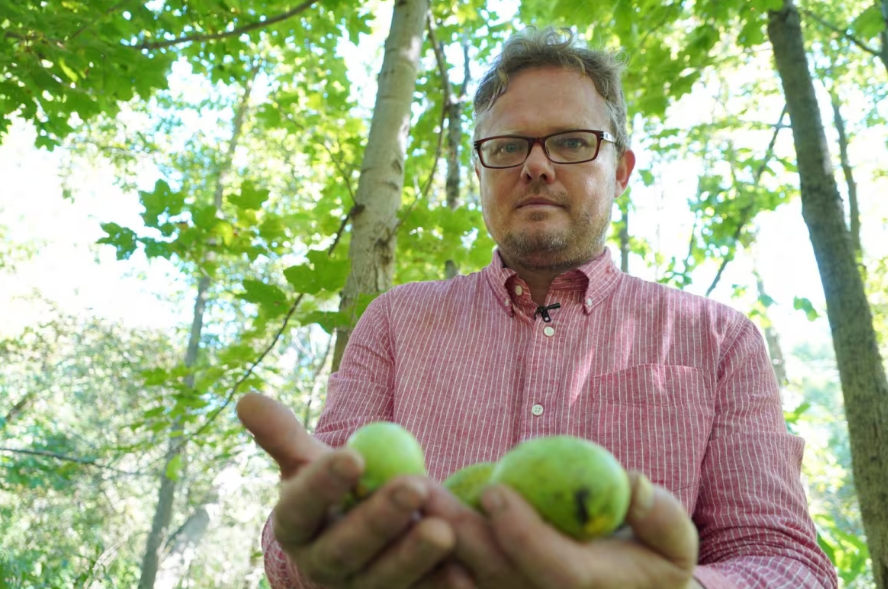
Mathis Natvik, a local ecological restorationist, works with pawpaw trees as part of government grant initiatives to restore nature to underperforming agricultural fields. Growing up on a farm in Chatham-Kent, Natvik became fascinated with pawpaws, which grew wild along local waterways.
Companies processing exotic fruits freeze and convert them into shelf-stable products, preserving these fragile fruits and preventing them from disappearing. Studies suggest pawpaw trees are among the oldest native species in the region but are at risk of extinction.
Developing New Varieties and Commercial Opportunities
Often mistaken for bananas, pawpaw trees thrive as far north as southern Ontario. Once a popular food source, pawpaws have since been overshadowed by other crops. Their perishability has prompted farmers and scientists to develop varieties that can withstand transportation.
Research across nine countries indicates a bright future for commercial pawpaw orchards. For instance, the University of Kentucky maintains a pawpaw orchard dedicated to studying genetics, disease resistance, fruit quality, and weather adaptability.
Evan Elford, a crop innovation specialist with Ontario’s Ministry of Agriculture, Food, and Rural Affairs (OMAFRA), has noted that over 45 selected and improved varieties are available. Some Ontario growers are experimenting with these enhanced strains to explore their potential.
In addition to their fruit, pawpaw trees have valuable bark, which research suggests could be used to produce natural pesticides for industrial crops.
Fun Facts About Pawpaws
- Pawpaws are often compared to banana trees.
- The fruits can weigh up to 1 kg and reach lengths of 15 cm.
- The creamy, sweet pulp is ideal for making ice cream, smoothies, and desserts but can also be eaten fresh.
- Pawpaw trees are drought- and pest-resistant.
Pawpaws are a unique and exotic fruit with the potential to become a commercial crop. Their limited availability and remarkable flavour make them truly exceptional. To enjoy this rare treat, be sure to visit a farmers’ market during the short harvest season!