

Shane Gero is a well-known name in marine biology circles. A native of Ottawa and a permanent scientist at Carleton University, he is the founder of the long-term research program, the Dominican Sperm Whale Project. What does this project entail, and what contributions has Shane Gero already made? Ottawa Name delves into the story.
Who Is Shane Gero?
Shane Gero, originally from Ottawa, studied at Lisgar Collegiate Institute and later attended Dalhousie University, where he focused his studies on sperm whale research. He also earned scholarships at the Scottish Oceans Institute and Aarhus University. Here’s a timeline of his academic and professional milestones:
- 2005: Gero completed his Master’s in Biology at Dalhousie University, where his thesis focused on “Foundations of Sperm Whale Societies: Alloparental Care of Calves.”
- 2012: He earned his PhD in Biological Sciences from Dalhousie University, with a dissertation on “The Dynamics of Social Relationships and Vocal Communication Between Individuals and Social Units in Sperm Whales.”
- 2013: Gero was awarded the MASTS PECRE research fellowship at the University of St. Andrews’ School of Biology in Scotland.
- 2014–2016: He worked as a postdoctoral researcher at Aarhus University in Denmark, specializing in marine bioacoustics.
- 2021: He joined Carleton University’s Department of Biology as a research scientist.
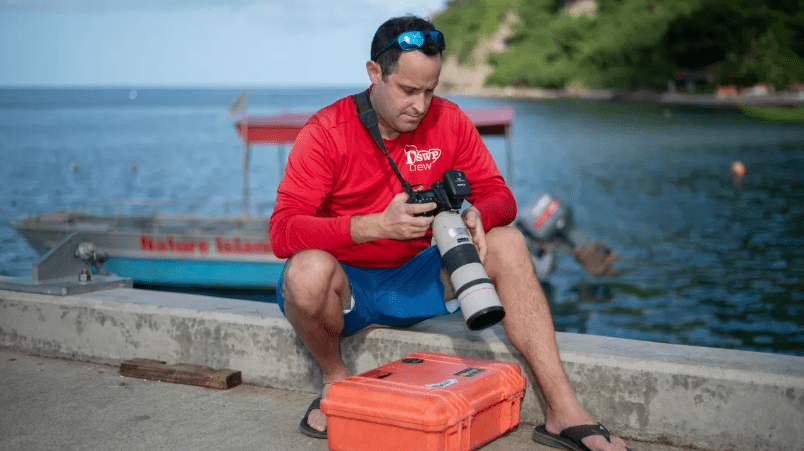
The Dominican Sperm Whale Project
Founded in 2005, this long-term research program focuses on the social structures and behaviours of sperm whale families in the Eastern Caribbean. Over thousands of hours of fieldwork, Gero has gained unparalleled insight into these enigmatic ocean creatures. Key areas of his research include:
- Social Structures and Behaviours
By tagging animals and conducting acoustic studies, Gero investigates how sperm whales communicate, form groups, and pass on their cultural knowledge. - Advanced Technologies
Using machine learning and soft robotics, Gero’s team works on deciphering sperm whale communication and mapping their complex “language.” - Conservation Efforts
Collaborating with governments, NGOs, and local communities, Gero advocates for the protection of sperm whales and their habitats, aiming to implement policies and practices that safeguard these marine mammals.
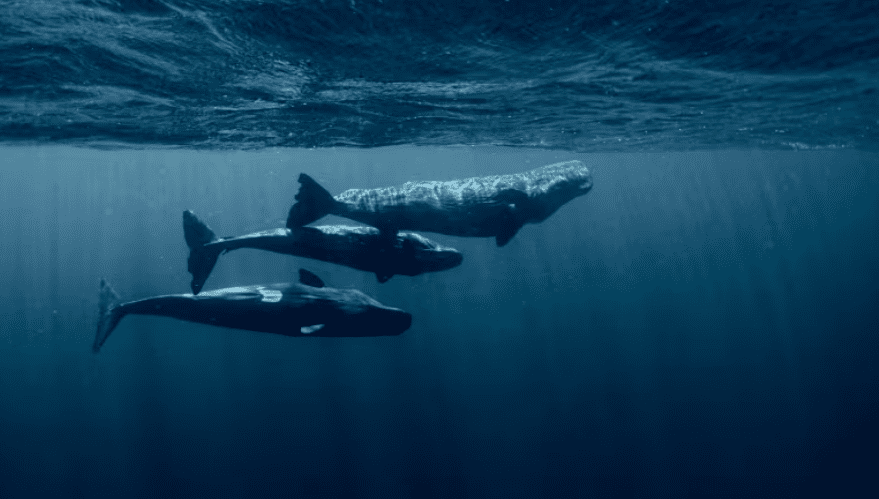
Featured in Secrets of the Whales
Shane Gero contributed as an expert behind the scenes of the Emmy-winning Disney+ documentary series Secrets of the Whales, produced by James Cameron and narrated by Sigourney Weaver. The series won a Primetime Emmy for Outstanding Documentary or Nonfiction Series.
Although Gero was unable to attend the Los Angeles ceremony due to the pandemic, his contributions to the series heightened public awareness about ocean conservation. He considers the series a vital medium for sharing scientific insights with a broader audience.
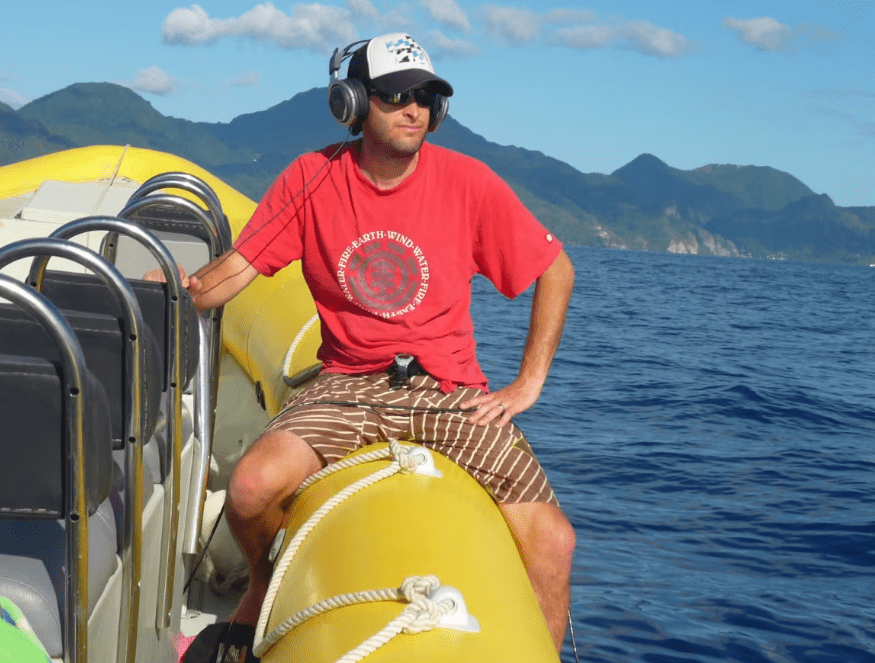
What Are Sperm Whales?
Sperm whales are among the most extraordinary creatures of the ocean, known for their unique social and cultural traits. Shane Gero’s research sheds light on their fascinating lives, organized around family units that pass knowledge and traditions from one generation to the next. Key features of sperm whales include:
- Matriarchal Families: Female-led groups, with daughters remaining with their mothers for life.
- Clan Systems: Families form larger clans of up to 100 individuals, working together to forage and fend off predators.
- Cultural Codes: Each family has a distinct cultural identity, including hunting techniques, communication styles, and social norms.
- Biological Facts: Sperm whales can reach lengths of up to 15 metres, have the largest brain of any species, and give birth approximately every 5–7 years.
Gero likens sperm whale cultural codes to human societies, emphasizing their importance for survival and evolution.
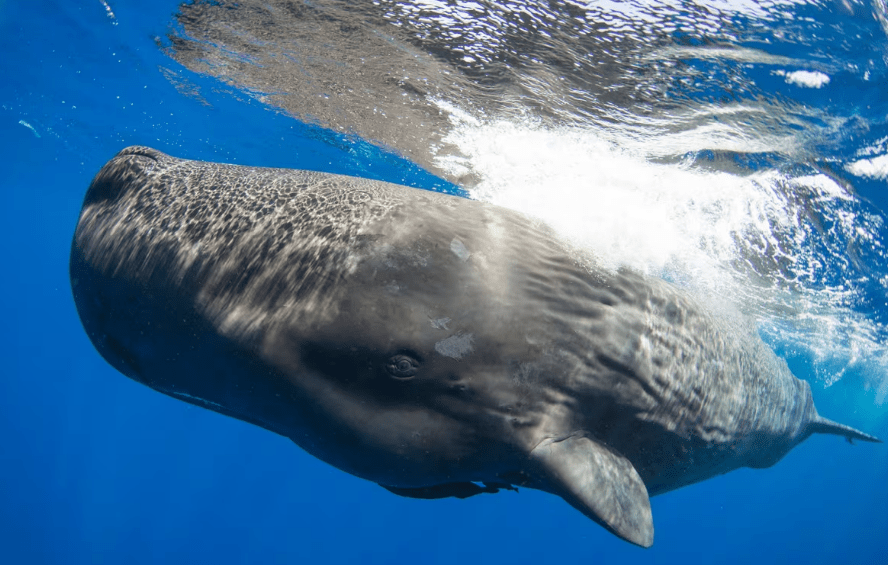
Threats to Sperm Whales
Shane Gero has repeatedly raised concerns about the threats posed to sperm whales by human activity and environmental pollution. Key threats include:
- Overfishing: Depletes squid and other vital food sources for sperm whales.
- Ocean Noise: Disrupts their communication and echolocation, critical for finding food and navigating.
- Plastic Pollution: Sperm whales often mistake plastic debris for food, leading to blockages and starvation. Gero’s studies have found significant plastic debris in the stomachs of beached whales.
- Ship Strikes and Fishing Gear: These incidents cause injuries or entanglement, often leading to death.
To combat these challenges, the government of Dominica has established a marine protected area specifically for sperm whales. Measures include:
- The creation of a whale sanctuary.
- Appointing observation officers to oversee whale tourism and ensure ethical practices.
- Limiting tourist numbers and activities, allowing visitors to swim with or view sperm whales under strict regulations.
These initiatives, supported by scientists and conservationists like Gero, are steps toward a sustainable future for sperm whales.
Preserving sperm whales is a collective responsibility, requiring global awareness and action. By reducing plastic waste and minimizing human impact, we can contribute to the survival of these majestic creatures. As Shane Gero emphasizes, our actions today determine the legacy we leave for future generations.
Sources: