

The Rideau Canal is not only one of Canada’s oldest canals but also among the oldest in the world. Built in 1832, it is an impressive waterway, stretching 202 kilometres and connecting Ottawa and Kingston in the 21st century. Ottawa Name delves deeper into the history of this iconic canal.
Why Was the Canal Built?
After the American Revolution, the United States believed Canadian territories should fall under its control. Canada, constantly fearing war with the Americans, sought to protect its vital trade routes, such as those along the Ottawa River, the St. Lawrence River, and other waterways, by exploring alternative routes.
Planning the Canal’s Construction
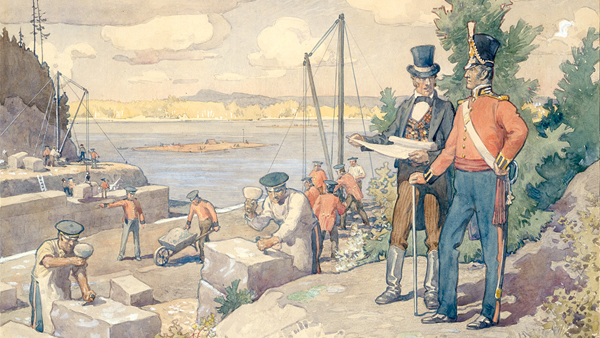
The War of 1812 highlighted the need for a secure trade route. Plans were drawn to create a new waterway starting in Montreal, passing through the Great Lakes, and linking the Ottawa River to the Rideau River, then through several lakes to the Cataraqui River in Kingston. At the time, the route was only navigable by canoe, so locks were necessary to make it viable for larger vessels.
Due to Britain’s post-war economic strain, funding for the project was postponed in 1812. Years later, the Duke of Wellington advocated for the canal’s construction, leading to the deployment of royal engineers to Canada to map a waterway between the Rideau and Cataraqui rivers.
In 1826, Royal Engineer John By arrived in Canada to lead the project. Settling along the Rideau River, By and his team established a small settlement known as Bytown, which would later become Ottawa.
Initially designed for small vessels, By foresaw the need for larger steamships and successfully pushed for a revised plan to accommodate them.
Building Materials and Workforce
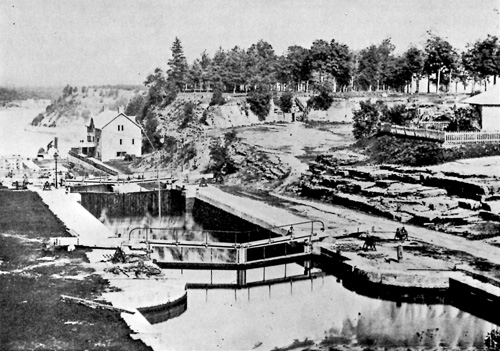
Construction of the canal began in 1827. All materials, including the metal fittings, were sourced locally and crafted by Canadian artisans. Workers frequently changed, with many coming from abroad. Malaria outbreaks on the marshy worksites caused significant fatalities, making it challenging to maintain a steady workforce.
A Misunderstood Achievement
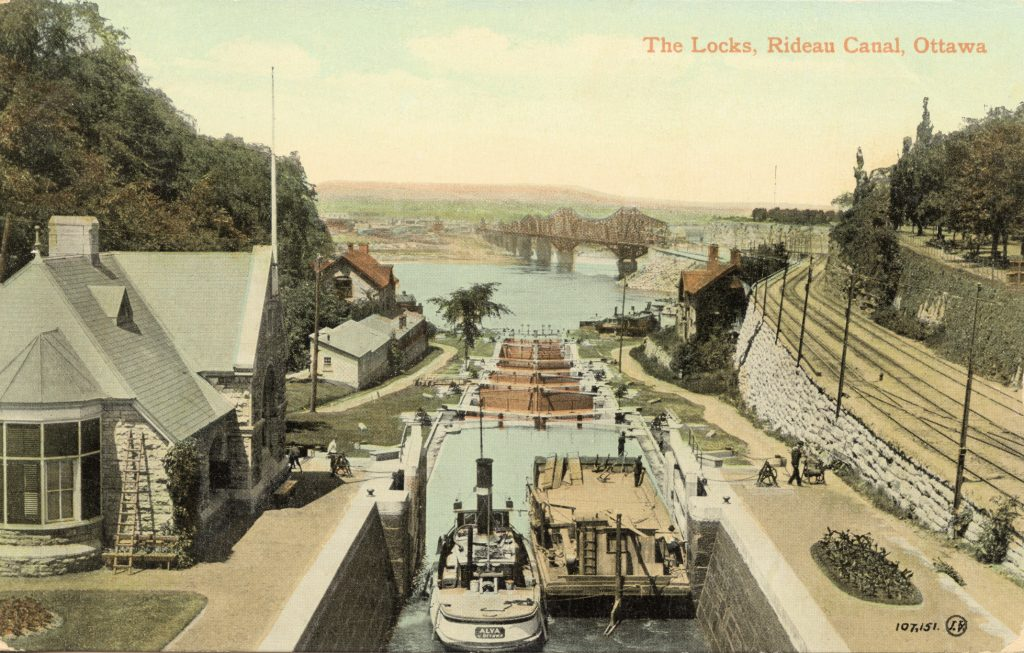
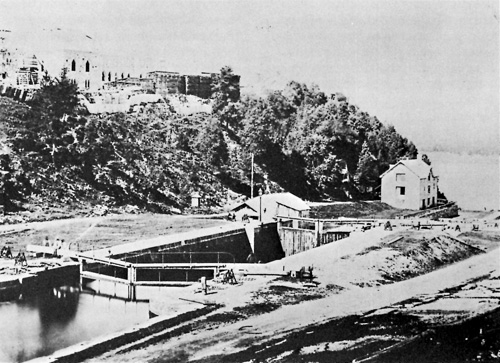
The canal, completed in 1832 after five years of construction, was one of the first major canals in the world. Spanning 202 kilometres, it connected two towns and traversed mostly undeveloped land. By’s team built 47 intricate locks and added defensive structures, such as blockhouses, to guard against potential American attacks.
Despite the project’s scale, the British government spent only £800,000—relatively modest for the time. However, instead of recognition, By faced accusations of financial mismanagement, was arrested, and his monumental achievement went uncelebrated.
The Canal’s Peak Popularity
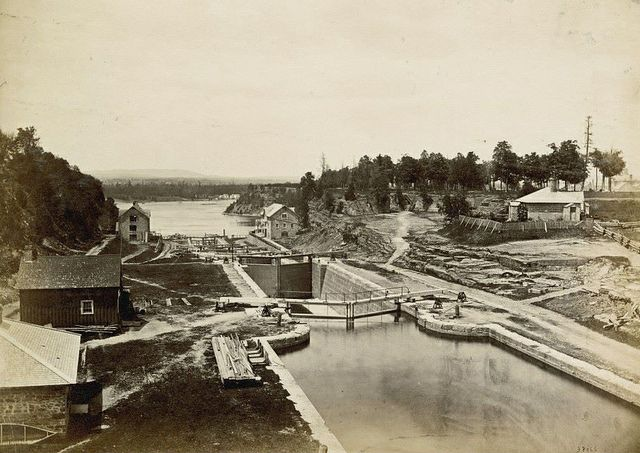
Upon its opening, the canal became a vital trade route from Bytown to Kingston. The St. Lawrence River’s rapids made the canal a shorter alternative, attracting significant traffic. Its prominence declined when improvements to the St. Lawrence route resolved the rapid issue, but the canal continued serving vessels until the end of World War I, playing a crucial role during the war.
A New Role for the Canal

After the war, the canal’s importance as a trade and military route diminished. However, its natural beauty and engineering marvels gave it a new purpose. It became a hub for recreational activities like boating, fishing, hunting, and scenic walks, spurring Ottawa’s tourism industry. By the 20th century, hotels, private homes, and cottages began lining its banks.
In the 21st century, the Rideau Canal is celebrated as a historical treasure of Canada, attracting over a thousand tourists annually. During summer, it’s a haven for boating enthusiasts, while in winter, it transforms into the world’s largest skating rink, spanning nearly 8 kilometres.
Many of the canal’s original features, including locks built in 1832, remain intact today, a testament to John By’s brilliance as an engineer. Despite his lack of recognition during his lifetime, his legacy lives on through this remarkable feat of engineering that continues to captivate and inspire.