

Globally, transportation consumes significant resources, reshapes urban infrastructure with roads and bridges, and contributes heavily to pollution. Vehicles are the second-largest source of greenhouse gas emissions worldwide. In Ottawa, many eco-conscious residents commute via public transit, bicycles, or on foot, avoiding private cars that negatively impact the city’s environment. Despite this awareness, Ottawa has long grappled with challenges related to eco-friendly transportation. Further details at ottawa.name.
Driving: A Major Environmental Challenge in Ottawa
Since the mid-20th century, Ottawa’s city administration has prioritized environmental protection. Initiatives such as the Greber Plan, aimed at relocating railway lines outside city limits, and the Greenbelt Plan, which curtailed urban sprawl, were instrumental. More recently, the 21st-century Green Building Program introduced energy-efficient and eco-friendly structures. These efforts are part of a broader goal to achieve net-zero greenhouse gas emissions by 2050.
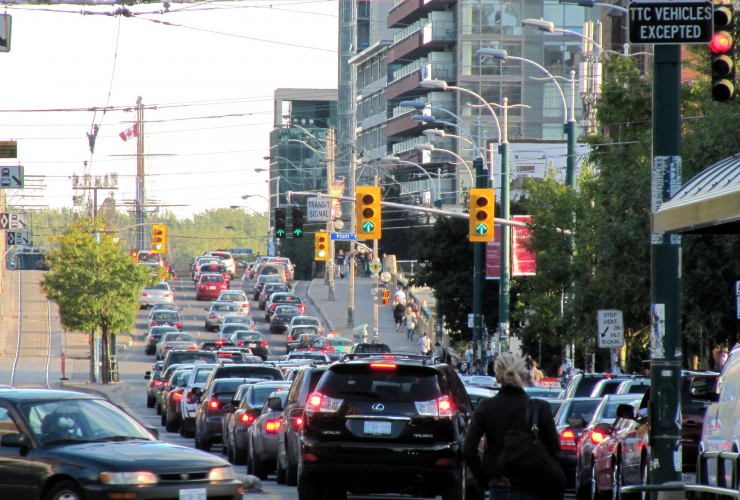
However, private vehicles remain a significant environmental concern. In the 21st century, many Ottawans still rely on cars for their daily commutes, with average trips lasting 30 minutes. This contributes to excessive fuel consumption and greenhouse gas emissions, worsening the city’s environmental footprint.
To address this issue, Ottawa has improved its urban infrastructure by introducing bike lanes. Cycling offers a sustainable and efficient alternative to cars, often enabling faster commutes. However, challenges remain, even for this eco-friendly mode of transportation.
Cycling Challenges in Ottawa
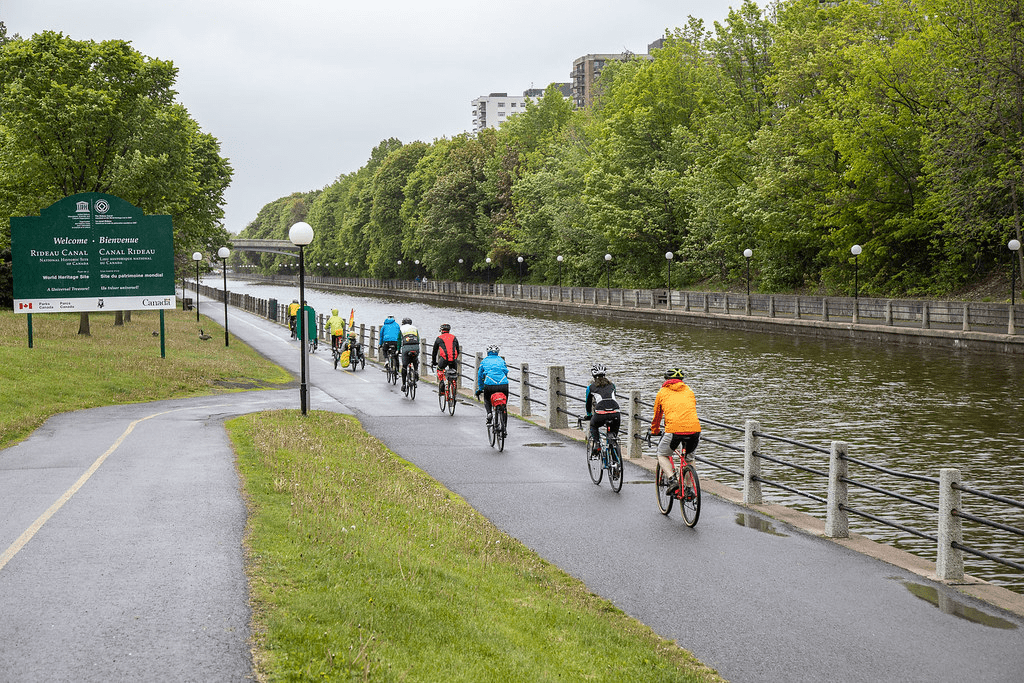
Efforts to modernize Ottawa’s urban infrastructure began in the mid-20th century, significantly influenced by the Greber Plan. Ottawa became a trailblazer by integrating public transportation with cycling infrastructure, installing bike racks, dedicated lanes, and entire bike-friendly streets.
Despite these changes, a stark disparity persists between car users and cyclists, influenced by the specific area of the city. In central Ottawa, the east end, Preston, and the west end, over half the population commutes on foot or by bike due to the proximity of amenities and services. Conversely, in suburban and rural areas, cars dominate as the primary mode of transportation.
Seasonality poses another significant challenge. While cycling is a practical option during Ottawa’s warmer months, the city’s harsh winters make it much less viable. The cold and snowy conditions deter cyclists, contributing to ongoing struggles in reducing greenhouse gas emissions and promoting eco-friendly transportation year-round.
While Ottawa has made strides in fostering sustainable urban transportation, challenges remain. The reliance on private cars, exacerbated by harsh winters, highlights the difficulty of achieving a fully eco-friendly transit system. Continued investment in infrastructure, public awareness, and seasonal solutions will be vital for Ottawa to meet its ambitious environmental goals.