

In the 20th century, in a rural area of Ontario, a future scientist, Raymond Desjardins, was born and raised. His upbringing on a farm played a pivotal role in shaping his career. Through his projects and innovations, Canada was able to join international climate change organizations and propose innovative solutions. Read more on ottawa.name.
Raymond Desjardins’ Career
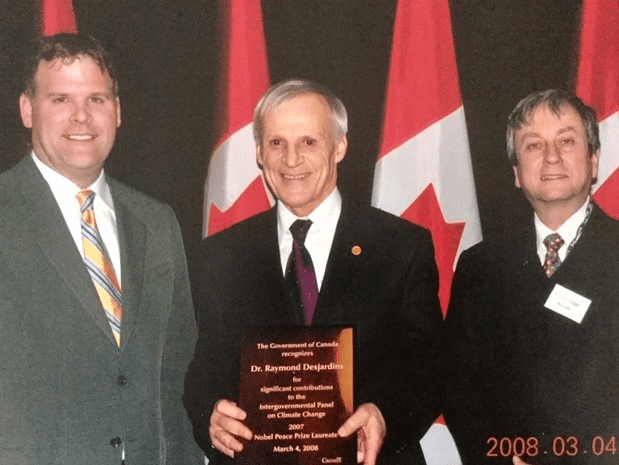
Having spent his childhood and youth surrounded by nature, Raymond Desjardins decided to dedicate his life to its study. He graduated with honours and earned a PhD in micrometeorology.
Thanks to his research, initiated after university, Canada joined international organizations tackling climate change and introduced innovative approaches to address these challenges.
Raymond Desjardins possessed deep expertise in physics, meteorology, micrometeorology, and related sciences. He worked as a professor and scientific consultant, sharing his knowledge and experience while continuing to engage in research. Early in his career in Ottawa, Desjardins focused on assessing the carbon footprint of agricultural practices and identifying tools to reduce greenhouse gas emissions in the agricultural sector.
Contributions to Canadian Agriculture and Food Development
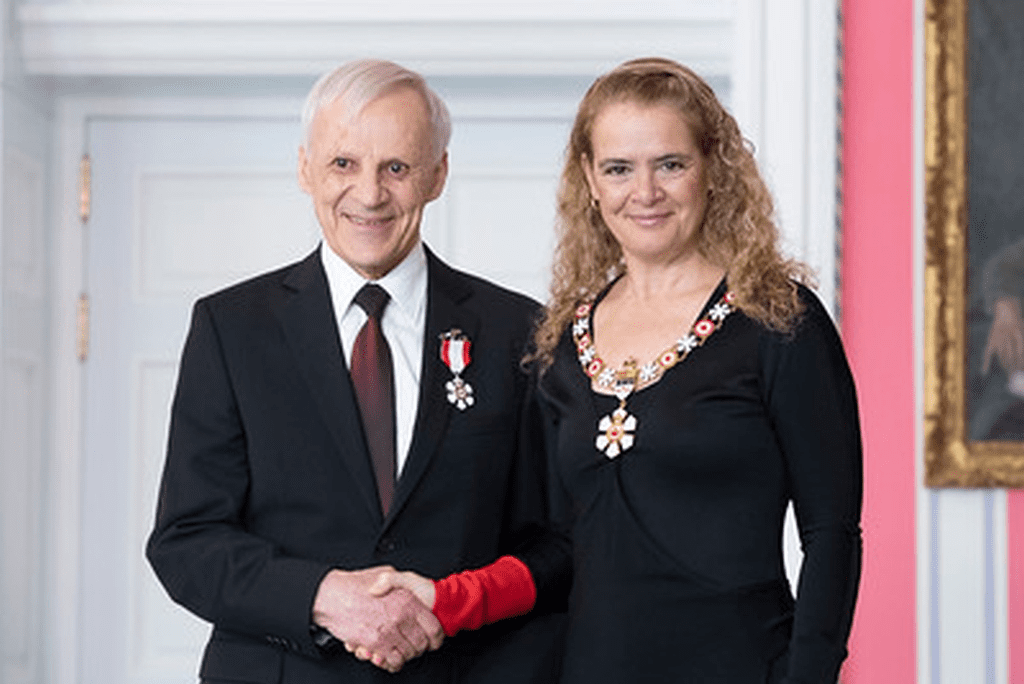
Raymond Desjardins was a renowned scientist from Ottawa whose work was highly regarded far beyond Canada. One of his first published works was a book on air quality in Canada and its direct impact on the nation’s agriculture. The book gained significant popularity, detailing innovative methods Canada employed to reduce greenhouse gas emissions.
In addition to this, Desjardins developed an innovative program to mitigate the effects of agricultural greenhouse gas emissions in Canada. This program aimed to reduce environmental impacts and raise awareness among Canadian farmers about the climate consequences of their activities.
Over many years, Desjardins collaborated with various firms, councils, associations, and organizations to implement his innovations in reducing the environmental impact of agriculture.
One of Raymond Desjardins’ most significant innovations was the creation of the “Model Farm,” a pioneering device capable of calculating greenhouse gas emissions on various Canadian farms.
Desjardins was deeply involved in both national and international climate projects. He studied functional terrestrial ecosystems and their roles in the exchange of greenhouse gases. His research extended to wetlands, ozone deposition experiments, the atmosphere of boreal ecosystems, and the development of innovative systems for sampling gas flux changes.
Through years of work in the scientific and agricultural sectors in Ottawa, Raymond Desjardins established himself as a successful and respected scientist. He consistently demonstrated a clear understanding of the measures required to prevent greenhouse gas emissions and mitigate climate change caused by agricultural activities.