

At the Canada Agriculture and Food Museum, an observational beehive offers a glimpse into the fascinating world of beekeeping. Ottawa Name shares insights into the history of beekeeping and introduces Nadine Dessaint, the museum’s head beekeeper.
Why Beekeeping?
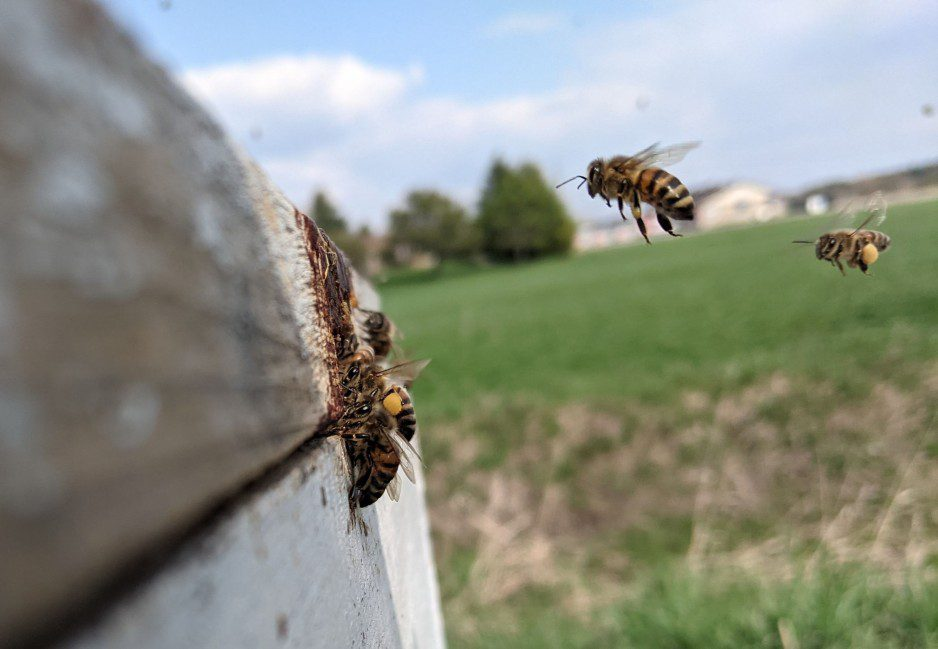
Nadine not only tends to honeybees on-site but also sells fresh honey. Her journey began over a decade ago while preparing a bee exhibition at the museum. This sparked her interest, leading her to acquire two hives and embark on her beekeeping journey. Nadine shares her love for the craft:
- Curiosity and learning about the natural world;
- Supporting bees in exchange for their honey;
- A passion that is both a hobby and her career.
Where to Learn Beekeeping in Ottawa?
Nadine took a beekeeping course at Algonquin College and pursued independent study. She joined a local beekeepers’ club and connected with a regional bee inspector, ensuring she had support whenever challenges arose.
One of her early hurdles was managing chalkbrood disease, a fungal infection in bee colonies.
A Day in the Life of a Beekeeper
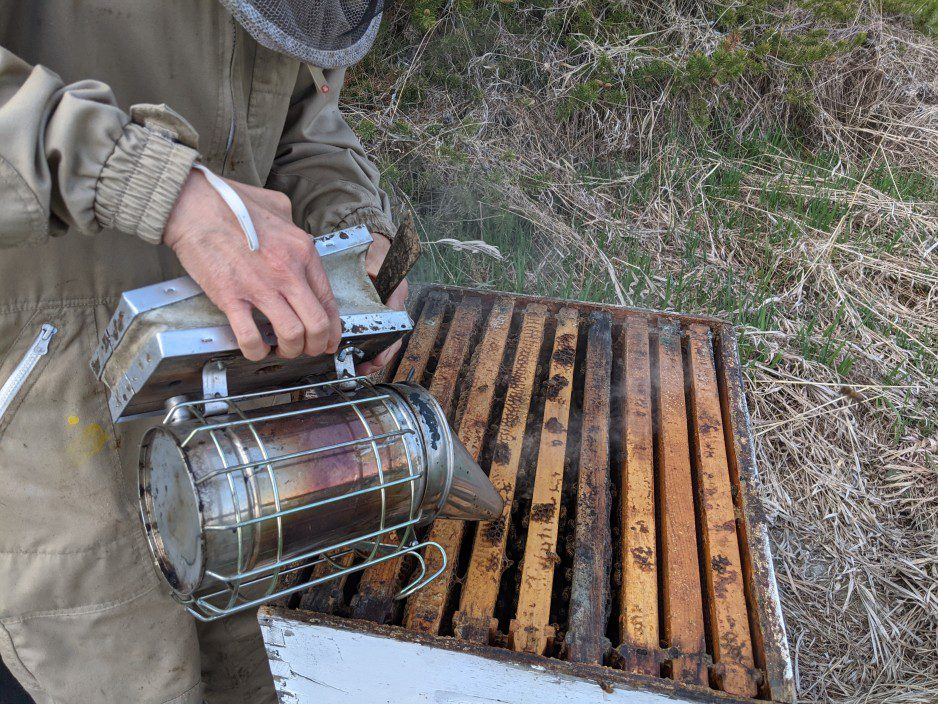
Curious about what a beekeeper’s day looks like? Nadine provides a virtual tour of her routine:
- Protective Gear
Nadine always wears a beekeeping suit with a veil to avoid bee stings. During periods of heightened aggression, gloves are essential, though she often skips them when the bees are calm. - Bee Venom Allergies
Many beekeepers develop allergies to bee venom. By her second year, Nadine experienced allergic reactions, including anaphylaxis, with symptoms such as itchy palms, rapid heartbeat, and swelling. She manages her condition with regular allergist visits and limits her exposure to stings (no more than five). - Core Responsibilities
Beekeepers focus on keeping colonies healthy and ensuring they survive winter. Tasks include treating diseases, supplementing feed with sugar water, and ensuring nectar sources are available. - Visit Frequency
From March to October, Nadine visits the hives every two weeks for inspections, checking food supplies and preparing hives for winter survival. - Honey Harvesting
July is the ideal time for harvesting honey when bees are calm and busy. By late August, bees become defensive, protecting their harvest.
How to Become a Good Beekeeper
A common misconception is that beekeeping is as simple as placing a hive in your backyard and collecting honey. The real challenge lies in keeping the bees alive and healthy.
For those not directly involved in beekeeping, Nadine suggests supporting local beekeepers by buying their honey. Local honey supports biodiversity, as honeybees pollinate plants in the area. Another way to help is by planting bee-friendly flora such as dandelions, goldenrod, clover, or other nectar- and pollen-producing flowers.
Beekeeping is more than a job for Nadine Dessaint—it’s a commitment to environmental stewardship and community education. Through her work, she not only produces high-quality honey but also contributes to raising awareness about the vital role bees play in maintaining biodiversity.