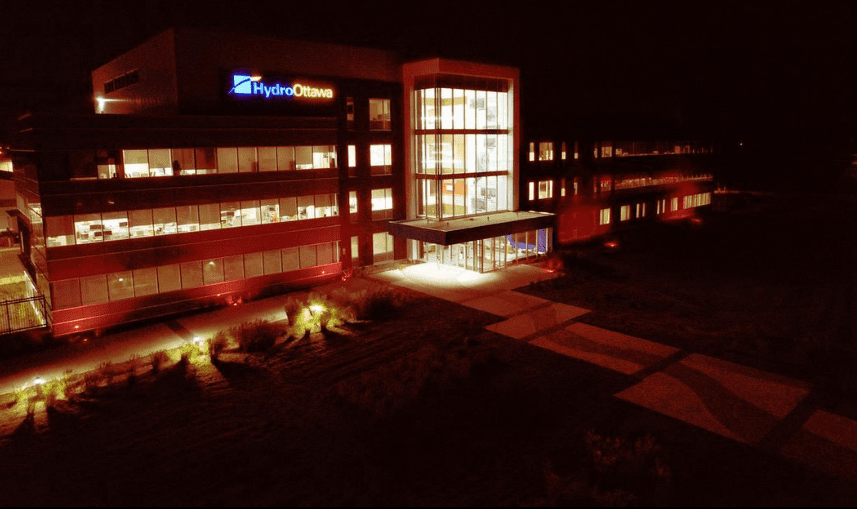

By the late 19th century, Ottawa thrived as a hub for the lumber industry and embraced innovations in electrical technology. Visionary inventors and entrepreneurs laid the groundwork for a legacy that continues today. Ottawa Name explores the story of hydroelectric power plants in Ottawa and some fascinating historical insights.
Hydropower in Ottawa
Hydropower is one of the most widely used sources of clean and renewable energy in Canada, accounting for approximately 60% of the country’s electricity production. Hydroelectric power plants play a critical role in energy generation for several reasons:
- Clean energy: An environmentally friendly option that aligns with the values of sustainability and preserving resources for future generations.
- Affordability: A cost-effective choice for users.
- Reliability and flexibility: A dependable and adaptable energy source.
But how did hydroelectricity take root in Ottawa and its surrounding regions? Let’s delve into its history.

Key Milestones
- 1882: Ottawa Electric Company was founded by notable residents Thomas Ahearn and Warren Y. Soper, marking a pivotal moment in the city’s history. They established the first hydroelectric plant in Canada at Chaudière Falls.
- 1884: Parliament Hill became electrified, and by May 1, 1885, Ottawa was the first city in the world to light its streets with electric lamps.
- 1891: Generator Station No. 2 was built on Victoria Island. Operated by Energy Ottawa, it is Canada’s oldest functioning hydroelectric plant. In 1900, Generator Station No. 4 was also constructed on the island.
- 1907-1909: The construction of the Ring Dam addressed disputes among mill owners at Chaudière Falls and replaced independent dams. The dam has been operating continuously since its inception.
- 1916: Ottawa Hydro, now known as Hydro Ottawa, was established, connecting the city to Ontario’s hydroelectric system and providing a reliable electricity supply.
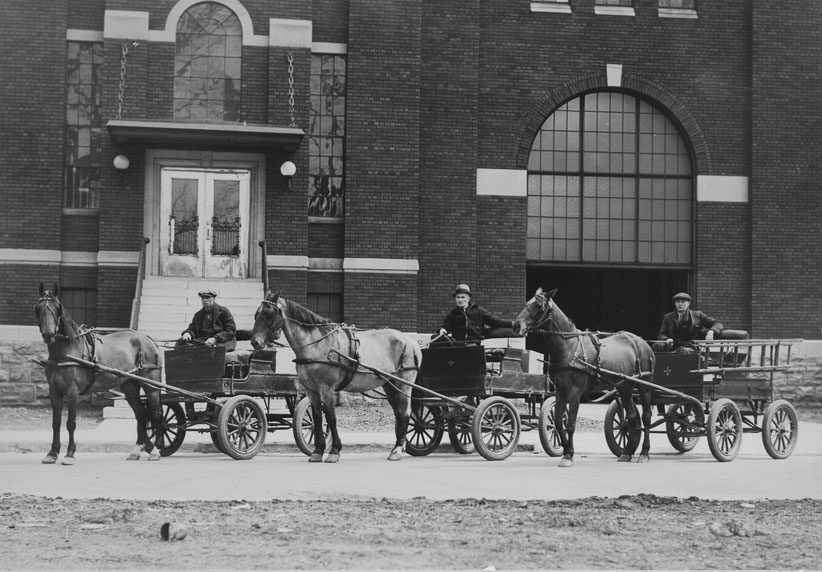
Generator Station No. 2: A Historic Treasure
This industrial structure is divided into three sections, each serving distinct purposes. Significant renovations in 1908-1909 updated its structural and mechanical systems.
- Architectural and environmental value: The station is a testament to industrial innovation and reflects the evolution of hydropower in Canada.
- Legacy of E.H. Bronson: The station represents Bronson’s transition from a timber empire to a monopoly on private utilities.
- Top-quality materials and functional design: It is an enduring example of industrial diversification at the turn of the 20th century.
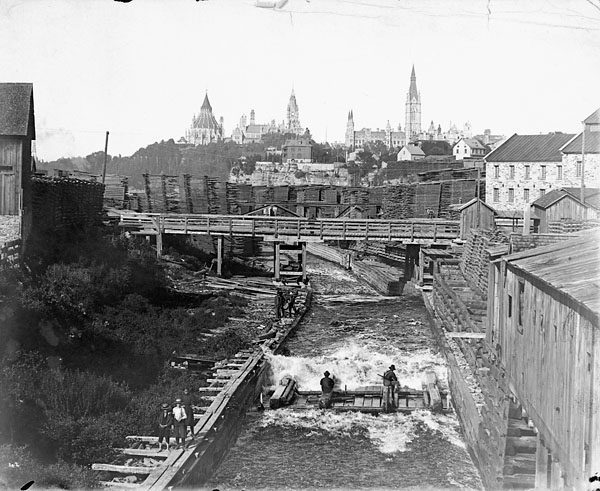
Founding of Ottawa Hydro
The establishment of Ottawa Hydro marked a transformative era for the city. Connecting to Ontario’s hydroelectric system (now Hydro One) provided:
- Lower electricity rates.
- Uninterrupted power supply.
- Improved quality of life for residents.
Goulbourn Hydro
Originally launched as Richmond Hydro in 1928, this was the smallest hydro station, serving just 56 households in the village of Richmond. The Vaughn family, particularly Alvin and Evelina Vaughn, managed the station for over 30 years. Alvin maintained meters and connected new customers, while Evelina handled billing.
In 1950, Ottawa Hydro Electric Commission acquired Ottawa Light, tripling its customer base. The company expanded operations further in 1957 with the opening of its Albion Road office.
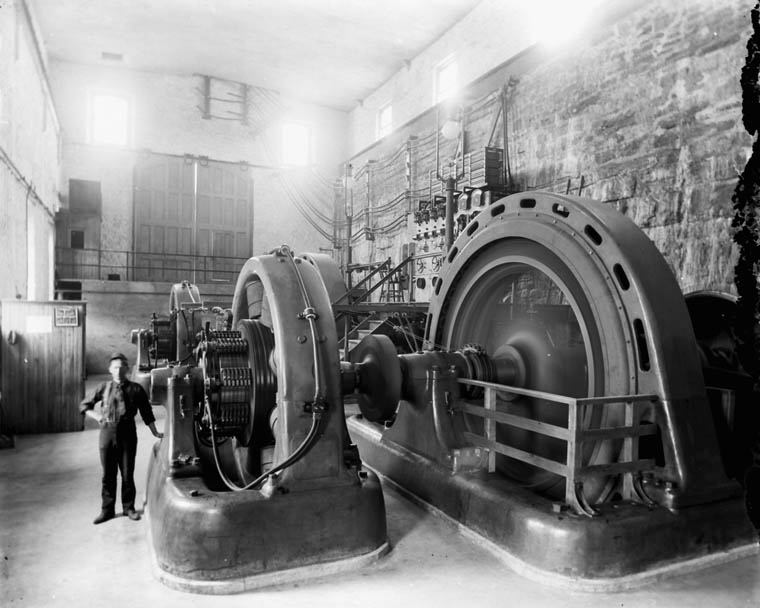
Gloucester Hydro
With the efforts of Arthur Bowker and local residents, Gloucester Hydro was founded to lower rates and establish local control over electricity. By 1974, it became the first utility in Eastern Ontario to adopt higher voltage levels, enhancing service reliability.
Energy Ottawa
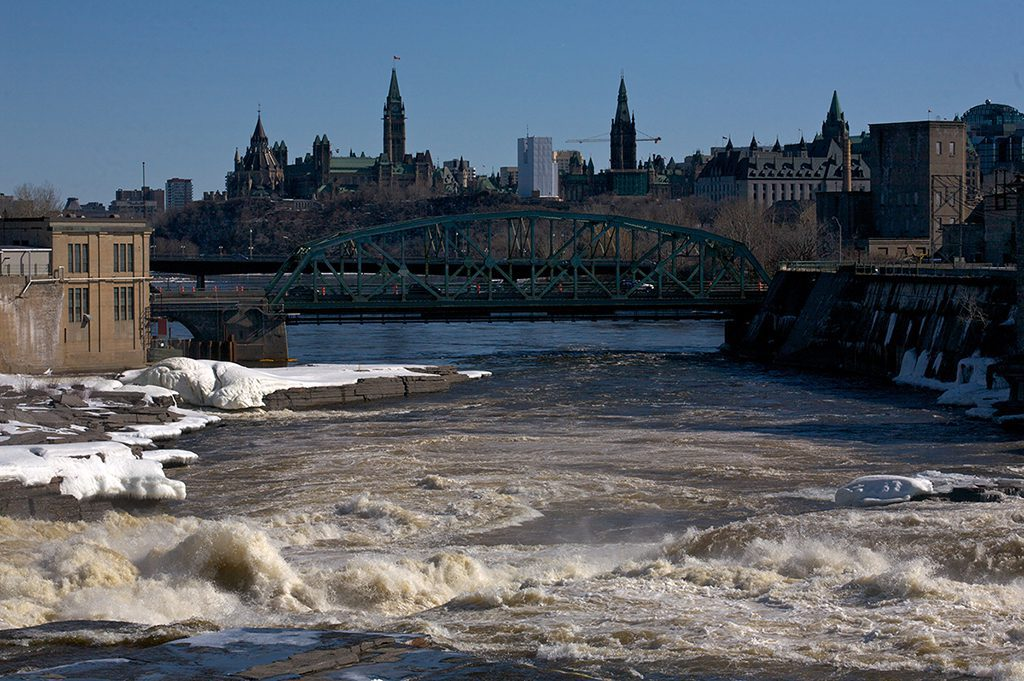
Established in 2000, Energy Ottawa oversees Generator Stations No. 2 and No. 4 at Chaudière Falls. Renovations in 2001 and 2005 introduced:
- Heritage preservation.
- Doubling renewable energy output with modern technology.
- Annual service to over 18,000 homes in Ottawa.
In 2017, Energy Ottawa completed an underground power plant with a capacity of 29 megawatts, increasing service to 20,000 households. The company is Ontario’s largest producer of renewable energy, operating hydroelectric, solar, and biogas facilities.

Hydro Ottawa
In 2016, Hydro Ottawa became the sole owner of all generation assets. By 2019, Energy Ottawa had rebranded as Portage Power.
In 2020, Hydro Ottawa became the first utility in Canada to achieve ISO 55001:2014 certification, a global standard for asset management excellence.
The 2022 Storm
Residents recall the devastation of the 2018 tornado, but the 2022 storm caused even greater damage to Hydro Ottawa—five times as severe. With wind speeds reaching 190 km/h, estimated damages ranged from $25 to $30 million, excluding capital costs.
Hydro Ottawa quickly restored access to its online outage map, helping users stay informed during the crisis.
Interesting Facts About Hydro Ottawa
- Over 200 hydroelectric plants are primarily located in southern Ontario.
- Approximately 24% of electricity in Ontario comes from hydropower.
- Hydro Ottawa is one of Canada’s leading hydroelectricity producers, alongside Quebec, British Columbia, and Newfoundland and Labrador.
The history of Ottawa’s hydroelectric power plants is a story of innovation, resilience, and progress. With each year, this legacy continues to grow, making Ottawa a pioneer in sustainable energy solutions.