

This is the story of the Cocchio family from Ontario, who transformed their pig farm into a successful shrimp farm. What drove them to make such a change? Is running an eco-friendly shrimp farm truly profitable? Ottawa Name explores their journey.
Rural Ontario and the Shrimp Farm
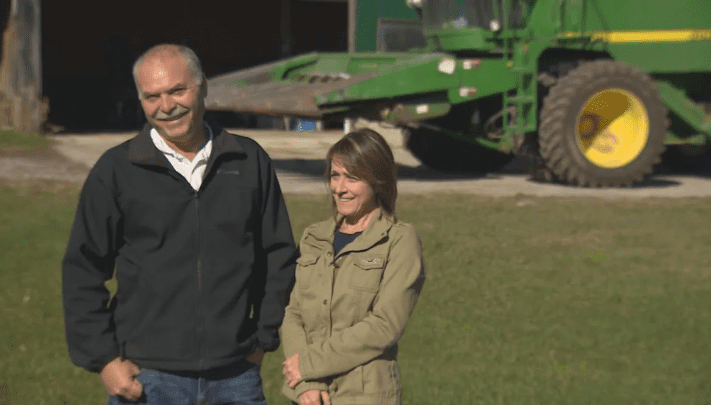
The family’s story gained attention in late 2015, and it’s nothing short of surprising. Paul and Tracey Cocchio initially operated a pig farm. However, low pork prices hindered profitability, prompting them to seek alternative ventures.
Their interest was piqued by stories of U.S. farmers cultivating shrimp. In North America, shrimp is among the most consumed seafood, with the majority being imported from Asia. This import reliance inspired the Cocchio family to take action, especially as shrimp are a staple on restaurant menus, and domestic production is scarce.
Transforming the Farm into a Tropical Shrimp Business
The Cocchio family converted their pig barn into a shrimp farm, implementing several key changes:
- 100% humidity levels.
- Installation of 16 tanks maintained at 29°C.
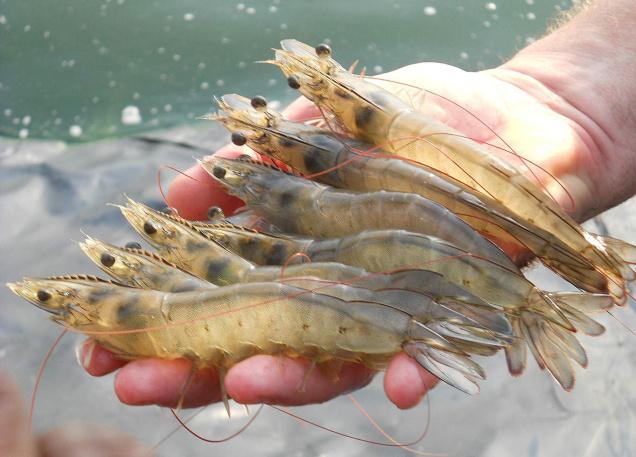
- Selection of Pacific white shrimp as the primary species.
- Obtaining a license for shrimp farming.
Thus, First Ontario Shrimp was born, following a transformation process that took just over three years.
Challenges and the Shrimp Farming Process
The journey wasn’t without difficulties. The owners faced a steep learning curve, particularly in keeping the tiny crustaceans alive.
- Shrimp supply: Pacific white shrimp arrive from Florida via 24-hour express shipping. Each shipment consists of approximately 20,000 shrimp, each no bigger than a fingernail.
- Growth cycle: The shrimp are carefully transferred to a starter tank, where they spend 3-4 weeks. They then move to larger tanks for an additional 4-4.5 months to reach market size.
A Family Business
Paul and Tracey’s son, Brandt, has been involved in the farm since its inception. He takes pride in being part of the family business and contributing to its positive environmental impact.
Teddie Geach, a seafood specialist from Oceanwise, has praised the Cocchio family’s farm for its sustainability. Compared to open-pond shrimp farming in Asia, closed-system farming is a significantly more eco-friendly alternative.
Is Shrimp Farming Profitable?
Yes, the Cocchio family’s success proves that it is. While shrimp farming requires training and effort, the rewards are substantial.
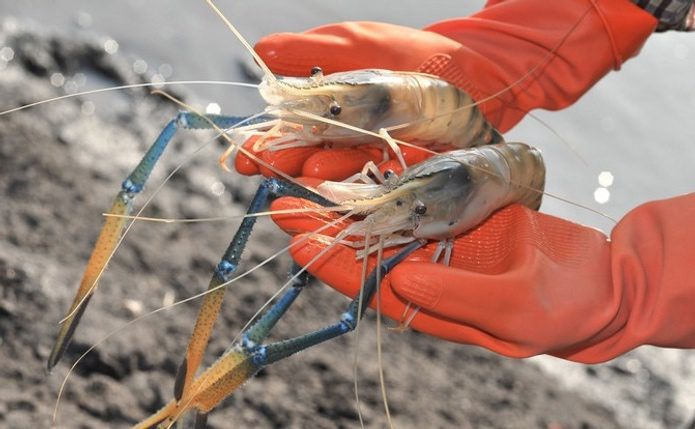
- Weekly harvest: The farm produces approximately 70 kilograms of fresh shrimp weekly.
- High demand: Orders often exceed supply due to overwhelming demand.
For example, First Ontario Shrimp products are featured in Toronto restaurants. The shrimp are harvested in the morning and delivered to ensure they’re on menus by the afternoon.
At Toronto’s Honest Weight fish market, customers can purchase fresh, chemical-free shrimp. The quality is evident, as products sell out quickly. Satisfied customers and high demand are among the greatest rewards for the family.
Taking the Risk
Tracey and Paul Cocchio are glad they took the risk. While their pig farm provided some income, it was insufficient. Transitioning to shrimp farming required time and effort but proved to be a lucrative venture.
Their leap of faith paid off, demonstrating that bold decisions can lead to remarkable success. If they hadn’t tried, they might never have realized the potential of this venture.