

In the 21st century, soy is a highly popular crop cultivated in many countries worldwide. Leading producers include Brazil and the United States, with Canada ranking seventh globally in soybean production. Despite a decline in harvested acreage in Canada between 2018 and 2020, the country’s soybean industry, particularly its exports, remains robust. Annually, Canada exports over half of its soybean harvest, amounting to more than four million tonnes. But few people wonder how soy first appeared in Canada and when it was cultivated in Ottawa. Here’s more from Ottawa Name.
Soybean Cultivation: A Brief History
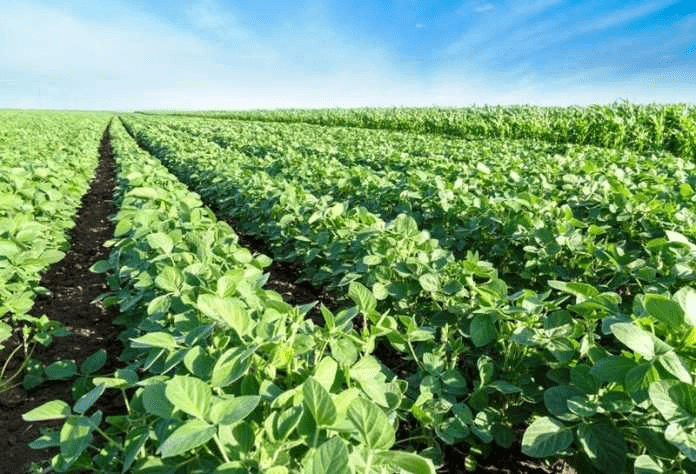
Soybeans are among the world’s oldest cultivated crops, with a history stretching back over 5,000 years. The earliest depictions of soybeans were found in China, etched on stones, bones, and ancient turtle shells. References to soy also appear in early Chinese literature dating back to the 3rd and 4th millennia BCE.
Today, soybeans are grown in over 60 countries across Asia, southern Europe, the Americas, Africa, and Australia. However, their cultivation requires subtropical or tropical climates.
Global leaders in soybean production include Brazil, the United States, and Argentina. More than two-thirds of the global soybean harvest is exported to China.
The Genetics of Soy
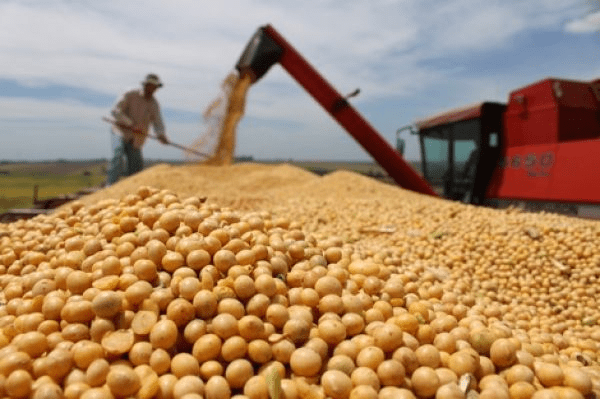
Soybeans are valued for their high content of vitamins, fibre, and protein, which closely resemble animal protein. This makes soy an essential part of vegetarian diets.
The soybean genome comprises 20 chromosomes of mitochondrial DNA and chloroplast DNA, which were fully sequenced in 2010. Researchers discovered that soybeans are paleopolyploids, meaning their genome was duplicated twice in ancient times. These duplications led to significant chromosomal restructuring, resulting in soybeans having a diploid-like karyotype today.
Modern soybean cultivation has also seen extensive genetic modification. Genetically modified soy is now a common ingredient in an increasing number of food products.
Soy’s Arrival in Ottawa
Soy was first introduced to Canada in the 1830s, with records of its initial sale by William Scammell of Saint John, who imported Indian soybeans for distribution. By the 1850s, soybeans had gained popularity, and the first Canadian cultivation efforts were reported in an American newspaper in 1855. A Canadian farmer cultivated soybeans for three years and distributed the harvest across Canada and as far south as Texas.
In 1881, Ontario officially recorded its first soybean cultivation. The Agricultural College in Ottawa began growing soybeans, and shortly after, the Experimental Farms Service was established. This organization oversaw agricultural production across Canada, including soybean crops, conducting research to improve yield and adaptation.
In 1893, a second attempt at soybean cultivation in Ontario began, with seeds imported from Japan. Canadian scientists worked diligently to develop a soybean variety suited to Canada’s cooler climate, particularly in regions like Ottawa.
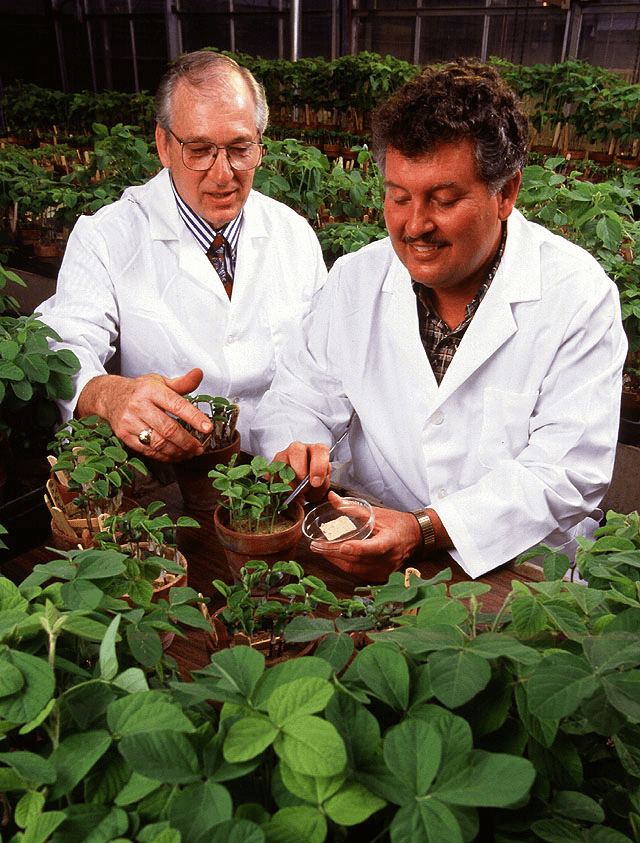
The breakthrough came in 1897, under the leadership of Dr. Saunders, director of the Ottawa Experimental Farm. He acquired soybean seeds from New York seed supplier Peter Henderson & Co., crossbreeding them to create a variety that could thrive in Canada. These seeds were tested across various provinces, resulting in the identification of a soybean variety specifically suited for the Ottawa region.
Soybeans, once a tropical crop, have been successfully adapted for Canada’s colder climate, with Ottawa playing a pivotal role in this agricultural innovation. Today, soy remains a vital part of Canadian agriculture and a testament to the dedication of early agricultural scientists.