

Potatoes are one of the most popular vegetables worldwide, but Canada is not their native land. Like many countries, potatoes were introduced to Canada and later cultivated. Here’s a closer look at how potatoes first appeared in Ottawa, brought to you by Ottawa Name.
The Origin of Potatoes
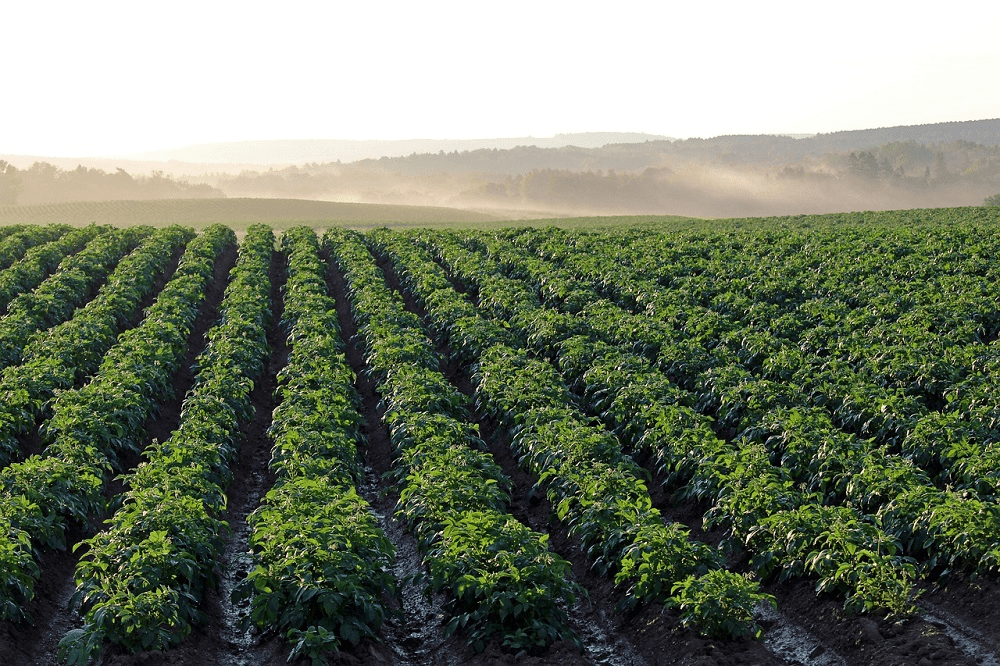
The potato’s historical homeland is South America, specifically the Andes and the regions surrounding Lake Titicaca. Indigenous peoples of this area cultivated wild potatoes, striving to develop them into an agricultural crop. However, it took over 5,000 years before they succeeded in domesticating the potato. Wild potatoes can still be found in South America today.
Potatoes were introduced to Europe in the 16th century, and the first mentions of potatoes in Canada date back to the 18th century. As potatoes spread across Europe, they became recognized as a nutritious and essential food. Their introduction played a significant role in the population growth of Europe during the mid-18th century. This phenomenon was documented by Canadian potato breeder De Jong, who worked with the Ministry of Agriculture and Food. De Jong conducted extensive research on potatoes in Ottawa and published articles and books detailing their unique history.
Potato Cultivation in Canada
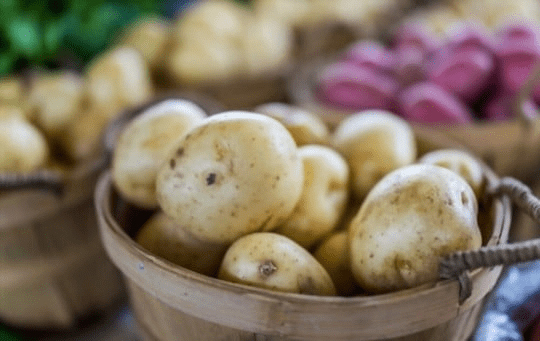
Potatoes arrived in Canada in the early 18th century. Initial harvests were poor, with many crops failing due to diseases. One such disease led to the Great Irish Famine, which forced many Irish people to emigrate. Similarly, early attempts to cultivate potatoes in Canada were largely unsuccessful.
The first settlers of Bytown (modern-day Ottawa) cleared dense forests and planted potatoes between tree stumps, hoping for a successful crop. Unfortunately, these efforts also failed.
In 1920, a new variety of potato called “Irish Cobbler” was developed. Within a decade, potato cultivation expanded significantly across Ottawa.
Initially, potatoes were planted using basic agricultural tools like horse-drawn plows and harrows. Farmers relied on hand labor to control pests and weeds, often using horseshoes attached to plows for manual weed removal. Harvesting was also done entirely by hand.
By the mid-20th century, more advanced machinery, including tractors, became available, revolutionizing potato farming across Canada. At this time, approximately 11,000 Canadian farmers were involved in potato cultivation, with about 149,000 hectares dedicated to the crop.
Numerous potato varieties were developed in Ottawa, one of the most notable being Yukon Gold, created by Gary Johnston. This variety, with its vibrant yellow flesh, is reminiscent of many European potato varieties and gained popularity among Canadians of European descent.
Gary Johnston conducted extensive research on Yukon Gold potatoes in Ottawa. The variety resulted from crossing the Norgleam potato with other types, creating a resilient and versatile crop.
Potato cultivation in Canada, particularly in Ottawa, continues to thrive thanks to the work of researchers and farmers. Most potato farmers in Canada today are descendants of immigrants who arrived during the 20th century.
Ottawa has played a significant role in advancing potato farming, with innovations like Yukon Gold helping to shape Canada’s agricultural landscape. As a result, the potato remains a staple crop and a symbol of Canadian ingenuity.