

At first glance, Ottawa might not seem like an industrial city, but its history tells a different story. From the late 19th century, mining operations emerged in the region, uncovering valuable resources like ore minerals. Beneath the capital’s surface lay deposits of precious metals, including gold and silver. Let’s dive into the history of the Ottawa Mine, brought to you by Ottawa Name.
Development of Industrial Activity in Ottawa
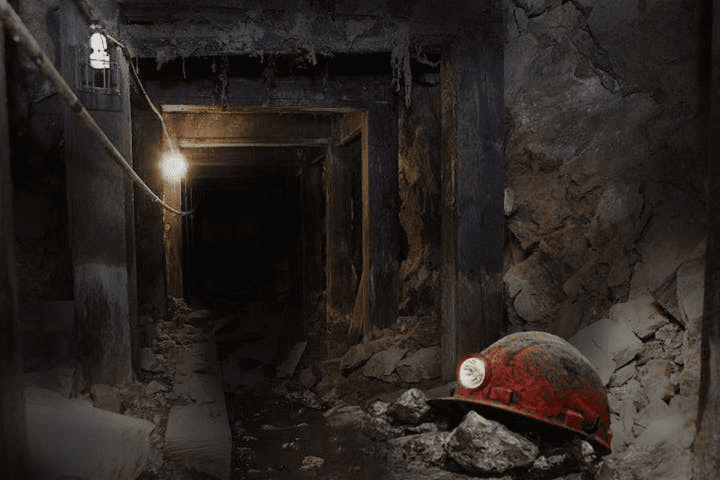
The history of mining at the Ottawa Mine dates back to the late 19th century, when the first deposits of ore minerals were discovered, sparking initial, small-scale extraction attempts. However, these early efforts were limited in scope. It wasn’t until 1902 that large-scale mining operations began after a Pittsburgh syndicate took interest in the site.
At the start of the 20th century, major developments commenced at the mine. Over 1,000 metres of tunnels were constructed across four levels. The Pittsburgh syndicate managed the operations for five years but leased the mine to the Consolidated Mining & Smelting Company in 1913. Mining was suspended until 1918 to allow for extensive modernization, including replacing outdated equipment.
During the upgrade period, mining was conducted from several adits, with depths reaching 30 metres and extraction occurring across six levels. The new leaseholders installed a state-of-the-art mill for the time, capable of processing 50 tonnes of ore daily.
Modernization and Expansion
The Consolidated Mining & Smelting Company managed the mine until 1935, after which it was acquired by another entity. In 1937, further upgrades were made, including the installation of a flotation plant with a daily capacity of 100 tonnes. However, a tragic accident occurred when equipment being lowered to the 300-metre level broke free, causing a fire.
Despite significant investments in modernizing the Ottawa Mine, the fire resulted in substantial losses. This led to intermittent operations until the 1950s when the mine was purchased by Hardex Mines. Hardex introduced innovative methods, including diamond drilling, to improve extraction efficiency.
By the 1950s, mining activities were concentrated in the western shaft at the eighth level. Geological surveys identified deeper mineral deposits, prompting the development of a ninth level. A new ventilation shaft was constructed to connect the sixth and eighth levels, ensuring adequate airflow. In 1964, a new mill was built, with a processing capacity of 75 tonnes per day.
The final chapter of the Ottawa Mine concluded in 2011, when all operations ceased.
The Ottawa Mine primarily yielded ore minerals, including:
- Galena
- Pyrite
- Sphalerite
- Chalcopyrite
- Native silver inclusions
- Argentite
- Tetrahedrite
Between 1903 and 1984, the mine produced over 26,000 tonnes of valuable minerals, including:
- Silver: 55,940,682 grams
- Gold: 982 grams
- Lead: 360,085 kilograms
- Zinc: 12,774 kilograms
- Copper: 793 kilograms
The Ottawa Mine represents a significant chapter in the city’s industrial history. Its contributions to resource extraction and its adaptation to modern mining techniques highlight the region’s potential in supporting Canada’s economic development. Today, the Ottawa Mine stands as a reminder of the city’s industrious past and the rich resources once hidden beneath its surface.