

Ottawa residents are increasingly interested in making their homes more energy-efficient and environmentally friendly. BetterHomesOttawa offers a comprehensive program with solutions to help achieve this goal. Let’s explore the benefits, services, and steps toward creating a greener home, as shared by Ottawa Name.
Benefits of an Energy-Efficient and Eco-Friendly Home
More and more Ottawa homeowners are exploring ways to improve energy efficiency. Here are some key advantages:
- Lower Energy Bills: Reduced consumption of fossil fuels and water translates to significant savings on electricity and heating costs.
- Decreased Greenhouse Gas Emissions: Supporting efforts to combat climate change.
- Improved Comfort and Air Quality: Enhanced insulation and ventilation systems in energy-efficient homes help minimize harmful indoor pollutants like dust, mould, and pollen. These features are especially beneficial for individuals with allergies or asthma.
- Job Creation: Modernizing homes boosts employment in construction and trades.
- Increased Property Value: Energy-efficient homes have higher market appeal.
Smart upgrades can dramatically cut energy use and expenses. For example, replacing traditional light bulbs with LEDs, installing energy-efficient windows, improving attic insulation, and using smart thermostats can reduce energy consumption by up to 48%.
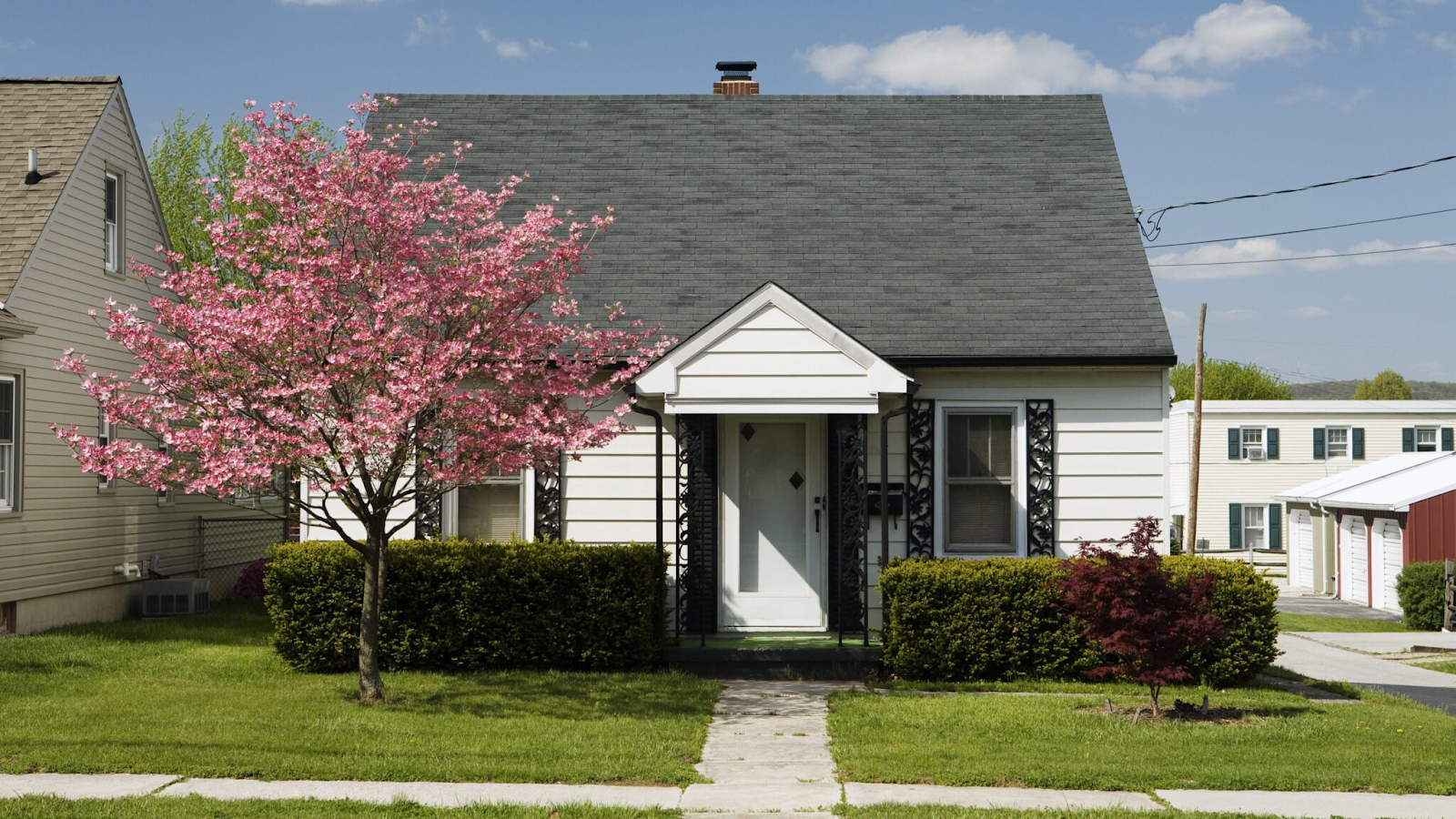
Services Offered by BetterHomesOttawa
BetterHomesOttawa provides a range of services to help homeowners make sustainable choices:
- Energy Audits: Assess your home’s energy usage to identify areas for improvement.
- Deep Retrofit Planning: Reduce energy consumption and greenhouse gas emissions through comprehensive home upgrades.
- Rebates and Incentives: Access funding options to make upgrades more affordable.
- Practical Tools and Resources: Learn how to create an eco-friendly home with step-by-step guidance.
Five Steps to a Greener Home
Achieving energy efficiency requires a strategic approach. Here are five key steps:
- Seal and Insulate: Start with the home’s “envelope” to keep heat in during winter and out during summer. This includes sealing cracks, upgrading insulation in walls and attics, and improving windows and doors.
- Heating and Cooling Systems: These systems account for about 60% of a home’s energy use. Optimize or replace outdated equipment such as furnaces, boilers, and air conditioners to enhance energy efficiency and reduce emissions.
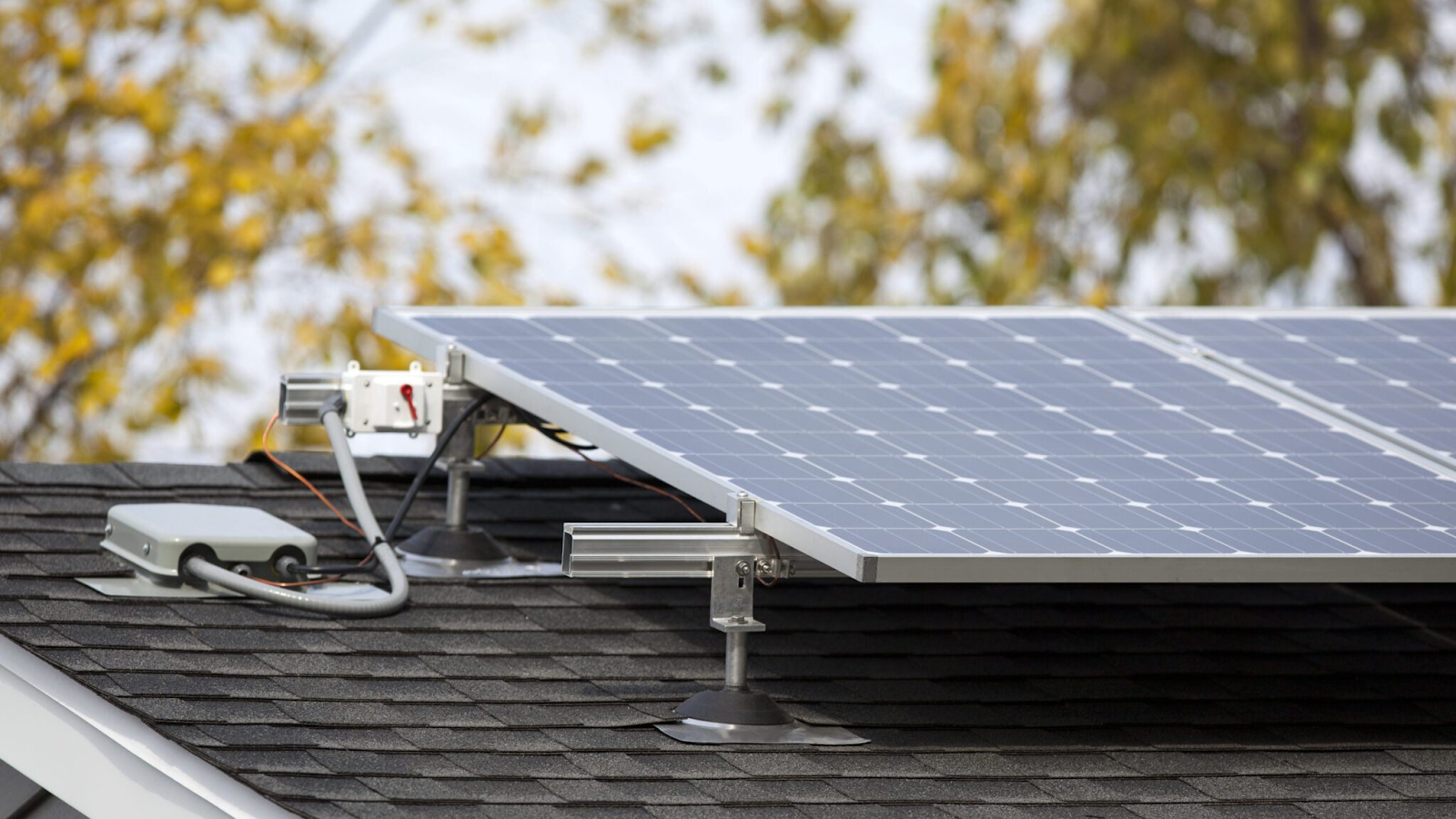
- Renewable Energy Sources: Consider installing solar panels, geothermal energy systems, or battery backups. These systems can store renewable energy for later use or emergencies.
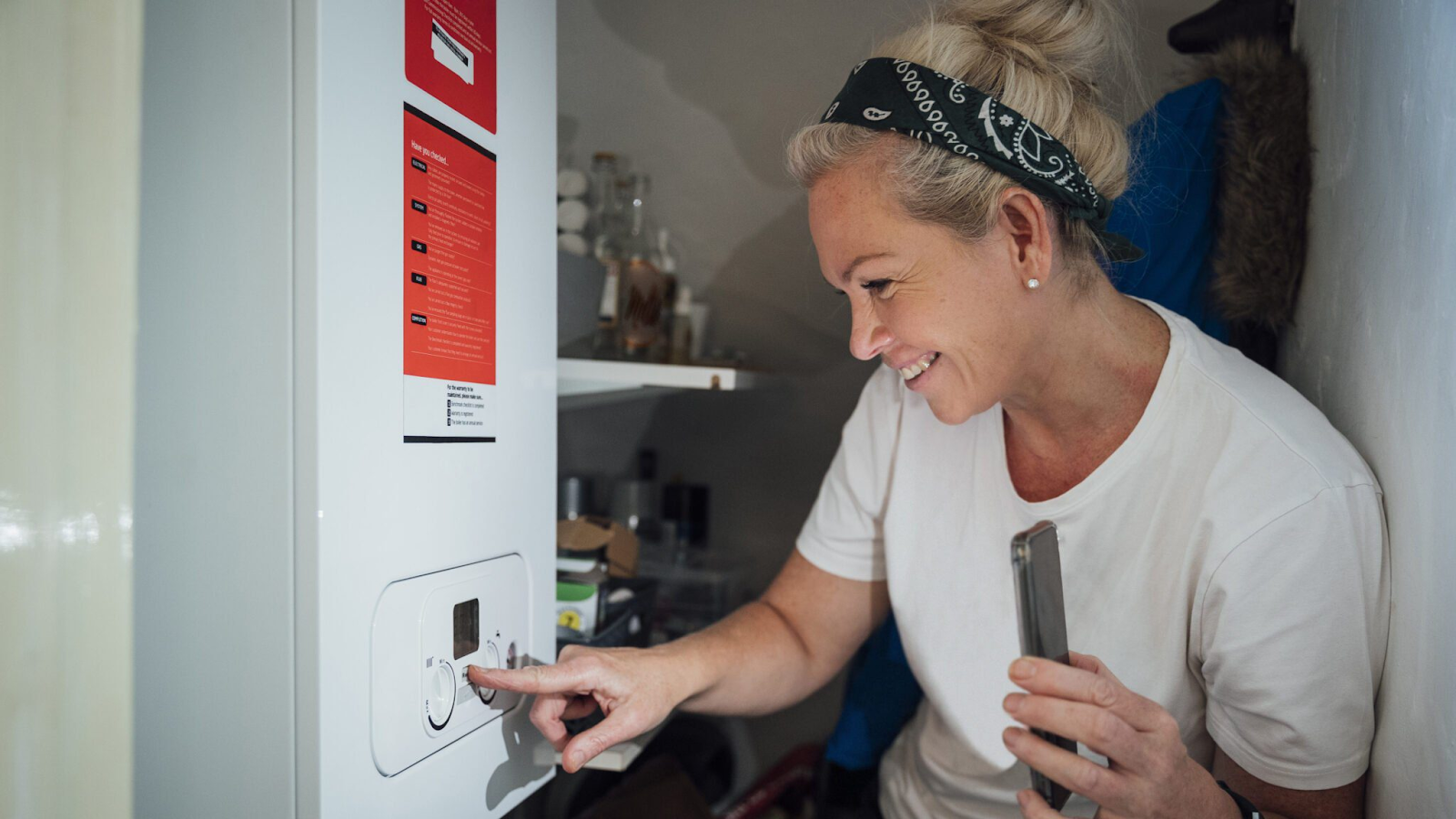
- Smart Technology and Efficient Appliances: Install smart thermostats (which can save up to 12% on energy), switch to LED bulbs, and use Energy Star-certified appliances. Automation, like motion-activated lights and timers, further improves efficiency.
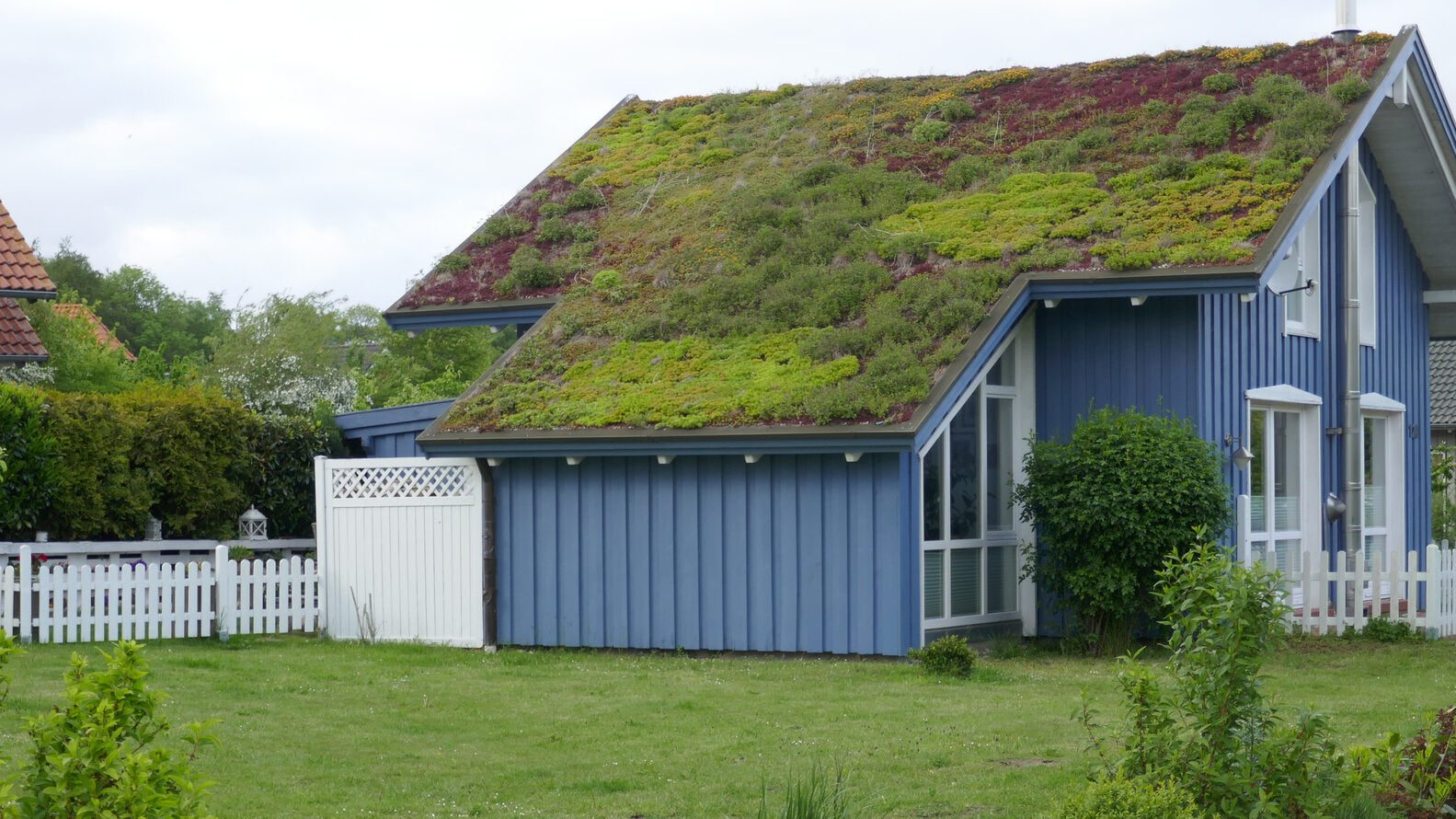
- Climate Resilience: Prepare your home for extreme weather. Add water-resistant features such as backflow valves and sump pumps to protect against flooding. For hotter summers, opt for light-coloured, reflective roofs or install green roofs with vegetation.
Collaborative Efforts: Key Partners
Energy efficiency is crucial. In 2019, Ottawa declared a climate emergency and committed to reducing its carbon footprint.
Buildings and homes account for nearly half of Ottawa’s greenhouse gas emissions. To meet climate goals, 98% of Ottawa homes must undergo deep retrofits by 2040. This means modernizing around 20,000 homes annually, totaling approximately 327,000 properties.
Collaborative efforts involve organizations like:
- EnviroCentre
- The City of Ottawa
- Ottawa Energy Collective
- Ottawa Climate Action Fund
- Green Municipal Fund
- Hydro Ottawa
These partners work together to make homes more sustainable and comfortable.
Sources: