

Canada isn’t known for growing a wide variety of crops due to its cold climate, particularly in the northern regions. This includes the nation’s capital, Ottawa, where gardeners and agricultural researchers have worked to develop frost-resistant plants suited to these challenging conditions. One such innovation is the wheat variety “Marquis.” Here’s the story behind its development, as shared by Ottawa Name.
The First Wheat Plantings in Canada
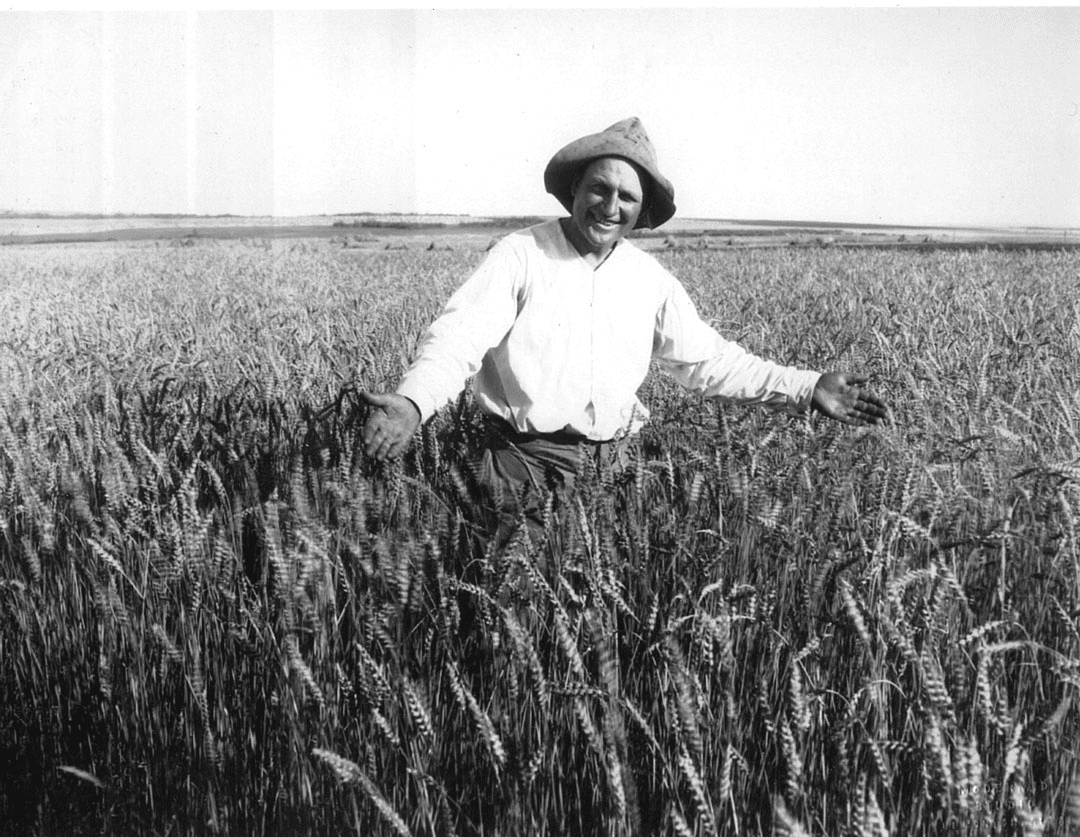
The history of wheat cultivation in Canada dates back to the early 17th century, with the first documented planting occurring in Nova Scotia. However, yields were often inconsistent. To address this, the Experimental Farms Service was established in Ottawa under the leadership of William Saunders.
William Saunders traveled across Canada, observing and testing wheat varieties to determine their suitability for different climates. He discovered that many varieties matured too late, failing to withstand early frosts. Saunders introduced various wheat strains in regions like Ottawa and monitored their adaptability and yield. His findings led him to conclude that developing a new, climate-resilient wheat variety was essential for improving quality and productivity.
The Birth of “Marquis” Wheat in Ottawa
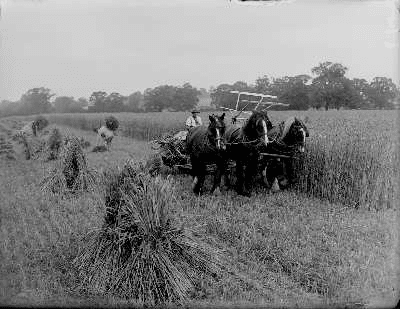
In the 18th to early 20th centuries, agriculture was still a relatively new science for Canadians. William Saunders was a pioneer in this field, and his work led to the creation of a wheat variety perfectly adapted to Ottawa’s cold climate.
Saunders began developing the new wheat strain by combining traits from different varieties. He worked with “Hard Red Calcutta,” which matured 21 days earlier than the popular “Red Fife” variety and had shorter stalks by nearly 30 centimeters. However, “Hard Red Calcutta” had much lower yields compared to “Red Fife.” Saunders saw the potential of crossbreeding these varieties to create a strain suitable for Canadian conditions.
The crossbreeding efforts resulted in two new varieties, “Markham A” and “Markham B,” which were renamed “Marquis” in 1906. The “Marquis” wheat became a cold-resistant variety specifically designed for Canadian climates and remains in use in Ottawa and other regions to this day. Its short growing season and strong resistance to diseases make it ideal for challenging climates.
Saunders’ Unique Method of Assessing Wheat Quality
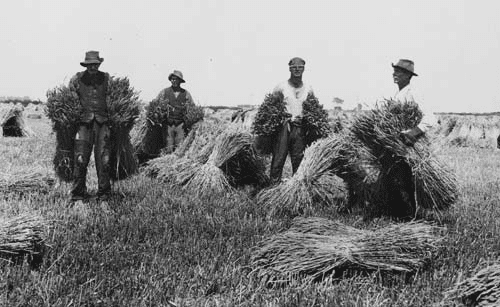
While working at the Experimental Farm in Ottawa, Saunders conducted extensive research on wheat quality using unique methods. Remarkably, he evaluated wheat varieties by chewing the grains to create a dough-like consistency, allowing him to assess their quality through taste and texture.
William Saunders’ contributions to Canadian agriculture were transformative. By creating a wheat variety that thrived in Canada’s cold climate, he enabled the cultivation of high-quality grain in previously unsuitable regions. Today, every new wheat variety developed in Canada is crossbred with “Marquis” due to its exceptional qualities.
Moreover, hard red spring wheat, such as “Marquis,” is now the most valuable wheat class on the global market. The “Marquis” variety, developed in Ottawa, has significantly influenced the agricultural economies of countries like the United States and Australia, solidifying its legacy in global grain production.